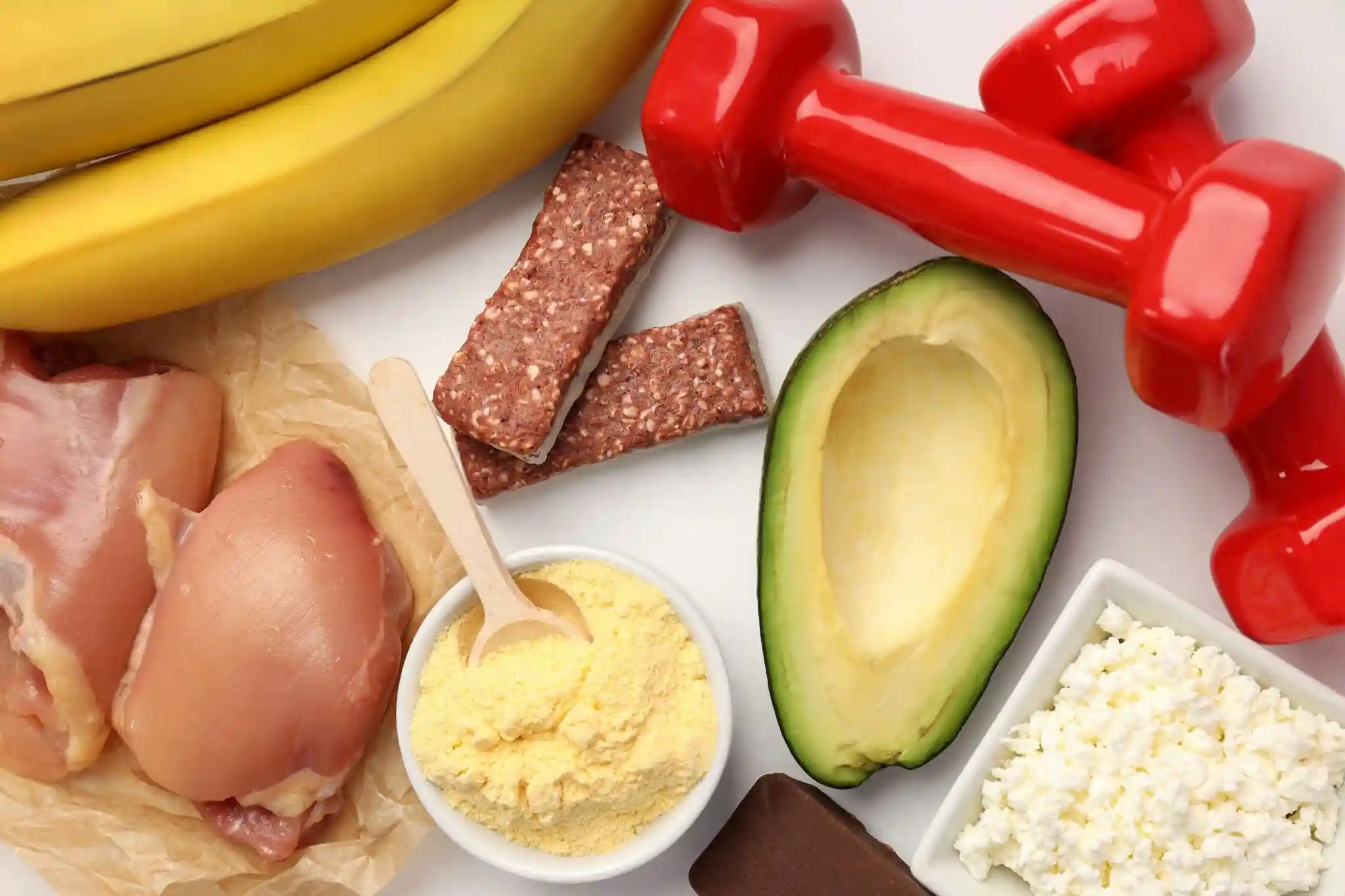
Nutrition Tips Effective
Most individuals are only concerned with their exercise programmes as regards to muscle building and strength. As much as you need to push yourself at the gym, nutrition is equally a critical but more important factor in ensuring that you meet your fitness goals. Imagine your body is a high performance machine: the more you feed it with the better it works. This blog explores the depths of successful nutrition plans that will make you gain muscle, increase strength, and have the best recovery.
The Nutrition and Its Role in the Growth of Muscle
So to have an idea of why nutrition is highly valued, we shall have a look at the science of muscle building. When lifting weight or doing strength training, you have very small tears in your muscles. This is a natural sequence of the process. These micro-tears are then fixed by your body making the muscles stronger and larger in the process- a process known as muscle hypertrophy.
However, the twist of the matter is that it is up to you to feed your body with nutrients that will enable this repair and growth. Lack of proper nutrition puts the process of recovery to a halt and your time spent in the gym would be wasted. In a 2020 article in the Journal of Strength and Conditioning Research, it was noted that resistance training and diet are much more effective in increasing muscle mass and strength than pure resistance training.
1. Protein: The Building Block of Muscle
Protein is a must-have factor in case you want to build muscles. Proteins consist of amino acids, which has a direct effect of repairing and rebuilding muscle tissue during workouts. Actually, protein consumption has been scientifically found to promote muscle protein synthesis (MPS) the process that causes muscle growth.
How Much Protein Do You Need?
The ISSN suggests 1.6 to 2.2 grams of protein per kilogram of body mass per day, to persons undergoing resistance training. For example:
A 70 kg (154 lbs) person must target a 112-154g protein intake per day.
Best Sources of Protein:
-
Animal-Based Proteins: Chicken, breast, lean beef, eggs, fish (such as salmon and tuna).
-
Vegetarian Proteins: Lentils, chickpeas, tofu, tempeh, edamame, quinoa.
-
Easy to Prepare: Whey protein shakes, casein protein or pea protein powder.
Timing Tip:
Optimal protein amounts to consume to maximize muscle protein synthesis are to consume 20-40 grams of protein per meal which are preferably to be taken every 3-4 hours of the day.
2. Carbohydrates: The Energy of Strength
Carbohydrates have received a lot of misinformation in the fitness community although it is a very necessary source of energy among people who want to gain muscle and strength. In the process of exercise, your body uses glycogen which is a type of carbohydrate you store in your muscles to provide energy. Lack of adequate carbs will leave you tired and incapable of giving your utmost.
How Many Carbs Should You Eat?
In the case of strength training, the goal is to have 4-6 grams of carbohydrates per kilogram of body mass every day. As an example, an individual of 70 kg should take 280-420 grams of carbs per day.
Best Carbohydrate Sources:
-
Complex Carbs: Oatmeal, whole-grain bread, brown rice, sweet potatoes.
-
Simple Carbs (Post-Workout): Quick glyceration: bananas, berries, honey, or white rice.
Timing Tip:
-
Pre-Workout: Have a meal with high levels of carbohydrates 1-2 hours before a workout. Oatmeal, as an instance, with fruit or a slice of whole-grain toast, with peanut butter.
-
Post-Workout: Combine carbs and protein (e.g. a whey protein shake and a banana) to restore glycogen and promote recovery.
3. Healthy Fats: Increase the Hormones
Fats are not only the sources of energy, but also the hormonal health, which directly influences the development of the muscles. Testosterone, which is one of the hormones that are essential when developing muscle, depends on dietary fats to be produced. That is the reason why you should take healthy fats as a regular meal.
How Much Fat Do You Need?
Researchers advise that your daily caloric intake of fats should be between 20-30 percent. When the person takes 2,500 calories per day, it will be 55-83 grams of fat per day.
Best Sources of Healthy Fats:
-
Omega-3 Rich: Salmon, sardines, flaxes, chia seeds.
-
Monounsaturated Fats: almonds, walnuts, avocado and olive oil.
4. Timing of Meals: Eat Your Meal On Time
Eating anything may not be as important as when eating. Meal timing is a strategy that makes sure you have the nutrients you need at the right time when you need them most- before and after workouts.
Key Meal Timing Tips:
-
Pre-Workout: Have a balanced meal with protein, carbs and little fat 23 hrs before a workout. Sample: Baked chicken and sweet potatoes and vegetables.
-
Post-Workout: Have a high protein moderate carb meal 30 minutes after your workout to jumpstart muscle recovery. Sample: A banana protein shake.
-
Pre-Bedtime: Consume slow digesting proteins such as casein (cottage cheese or Greek yogurt) to supply the amino acids overnight.
5. The Importance of Hydration
People usually forget about water, yet hydration is essential to the functioning of the muscles, energy, and recovery. Dehydration may decrease strength, bring about muscle cramps and slow down recovery.
Hydration Tip:
At least 3-4 liters of water should be taken by the end of the day, and more in case you are sweating a lot during exercises.
6. Supplements: Do You Need Them?
Although whole foods are and will always be the best, supplements can be used to supplement your diet. The following are some of those that have been scientifically tested to be true:
-
Whey Protein: Easy to consume when it comes to meeting the daily protein needs.
-
Creatine Monohydrate: It has been proven to increase strength of power and muscle mass.
-
Beta-Alanine: Assists in enhancing stamina and lessening muscle fatigue throughout high intensity workout.
Always consult with a nutritionist or medical practitioner when taking supplements in your diet.
Life Case Study: How Nutrition transformed the life of Mike
Mike is a 32 year old who has been lifting weights over the years without much success in gaining muscle. He also changed his diet after seeking the advice of a dietitian and started eating more protein, consuming more carbs before and after exercise, and drinking sufficient water. Mike used to gain 8 pounds of lean muscle and his strength improved greatly within four months.
His secret? Stable orientation on proper nutrition and eating schedule
Final Thoughts
Making muscle and strength is not simply what one does at the gym, it is more about what one eats. By focusing on the protein, ensuring that you take sufficient carbohydrates and healthy fats, staying hydrated, and eating on time, you will maximize your muscle growth and recovery capacity.
Remember, consistency is key. Minor long term alterations in your food can have long term significant implications. These are some of the best nutrition advice tips that will help you reach your fitness target.
FAQs
1. What is the amount of protein I should consume in order to gain muscle?
The goal is 1.6-2.2 grams of protein per kilogram weight in a day, as suggested by the International Society of Sports Nutrition.
2. Would I be able to gain muscle without consuming carbs?
Carbs are also necessary to substitute energy and glycogen. Although one can build muscle on a low-carb diet, this can slow down your performance and recovery.
3. Is it okay to eat before bed?
A little way, however, might help by consuming a slow-digesting protein such as casein just before bed to supply your muscles with amino acids overnight to aid in recovery and growth.