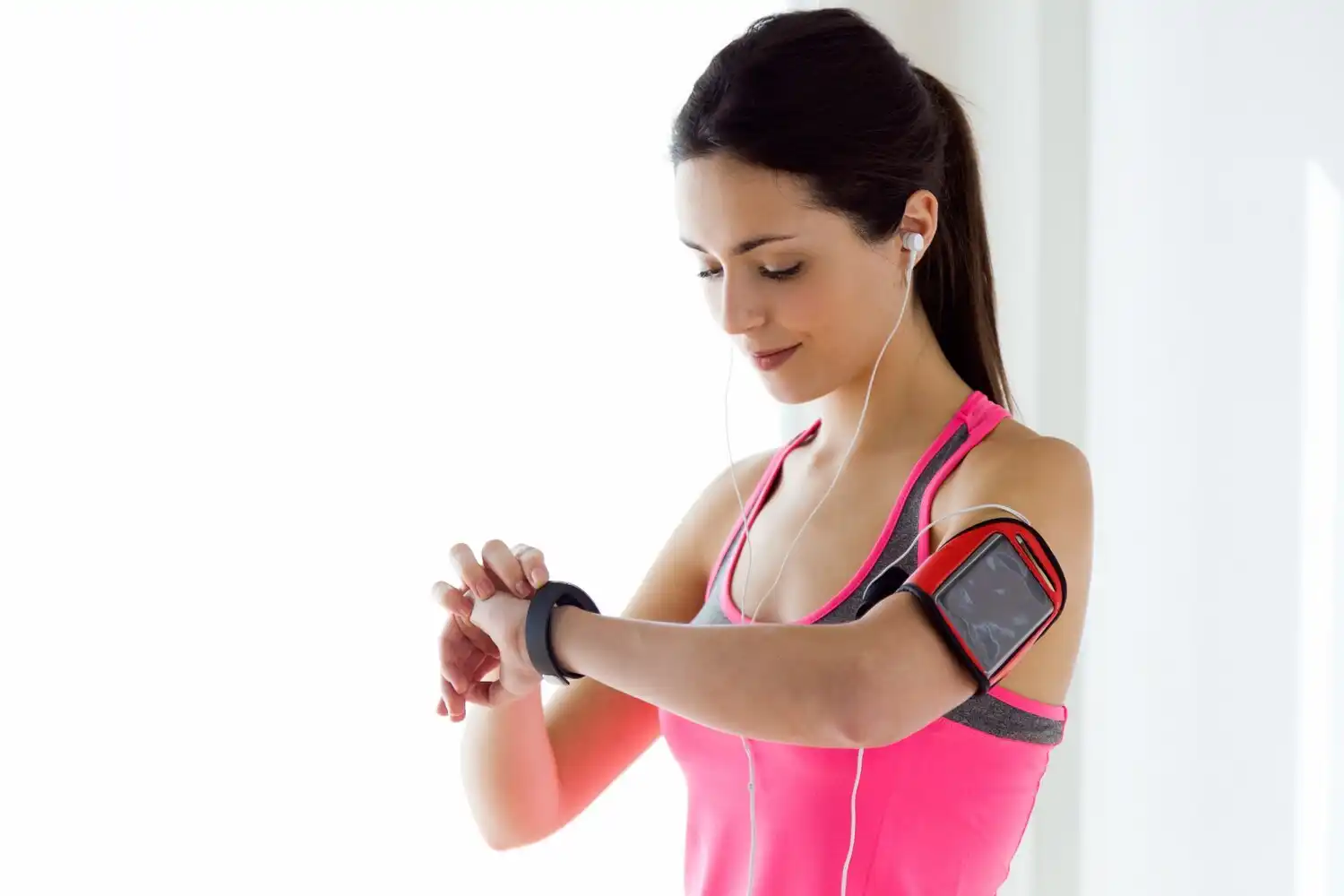
In the modern world of hurry, the fitness watches have changed the way we are addressing health and fitness. These small, intelligent products are not merely counselors of the number of steps you have already taken but rather effective instruments that will assist you in monitoring the weight loss advancement, establishing attainable targets and remain encouraged along your line to a healthier existence. Fitbit and Garmin both have various products that are custom-made to feature the lifestyle habits of their users, be it tracking the calories burned, the heart rate, the quality of sleep, and more.
You might be wondering how the fitness wearables can be helpful in achieving your weight loss goals and this guide will take you through the advantages, features of the wearables and a real life example of how they are used and how they work.
The Importance of MonitoringWeight Loss Progress
It is necessary to monitor your weight loss in order to be motivated and on track. Lack of measurable data makes one lose track or get disheartened when outcomes are not reflected in the short term. The results of a study carried out by the Journal of Medical Internet Research (2024) indicate that people who monitored their weight loss with the help of wearable devices were twice as likely to reach their goal than the ones who did not.
Smart clothing gives you real-time feedback which enables you to see little milestones, such as reaching your daily step target or calories burned, which can add up to major milestones in the long term. They also provide you with the capability to discover trends, including when you become the most active and the effects of dietary changes on your performance in terms of fitness.
The Benefits of Fitness Wearables in Tracking Your Progress of Losing Weights
Fitness wearables have high-end sensors and algorithms that track and process your activity records. Their main methods of helping one monitor weight loss success include:
1. Observation of the Level of Daily Activity
Fitness watches monitor the amount of steps, distance covered and active minutes during the day. These measures give you a real number of how active you are and gives you an assurance that you are moving around enough to burn calories. As an example, having 10,000 steps a day as a goal is a trendy target that many wearables can enable you to accomplish.
2. Calorie Tracking
The majority of wearable fitness devices calculate the calories burned depending on your activity level, heart rate and personal details such as age, weight and height. This will enable you to compare the amount of calories that you take with the amount of calories being spent off which is an essential part of a calorie deficit to achieve weight loss.
3. Heart Rate Monitoring
One of the main features of most fitness wearables is that of heart rate tracking. It assists you to quantify the severity of your exercises and makes sure that you are exercising within the best heart rate range that is related with fat burning. As an example, the fat-burning zone moderate-intensity exercise will help burn as many calories as possible and lose weight.
4. Tracking Workouts
Fitness wearables are able to record your activities precisely whether you are running, cycling, swimming, or doing yoga. This information will enable you to monitor the number of calories you will have burned at the end of each session and monitor your performance at different points in time.
5. Sleep Analysis
Sleep is also very important in losing weight. Sleep deprivation will interfere with your hormones, which will result in a rise in hunger and craving. Sleep tracking Fitness wearables are capable of tracking the amount and quality of your sleep and providing you with actionable information to change the quality of your rest and, eventually, your weight loss.
6. Setting and Achieving Goals
Fitness gadgets will enable you to make individual ambitions in terms of steps, calories burnt, active minutes and so on. Numerous gadgets provide you with reminders or other types of notifications to keep you focused, and it can be highly motivating to feel like you have something to be responsible about.
Real-Life Case Study: The Wearables that Changed Emma’s Weight Loss Process
Emma is a 34-year-old marketing worker who had a problem with losing weight. She began to wear a fitness tracker and this was when she made the breakthrough. Emma has made a daily goal of 12,000 steps and started recording her meals in the companion application of the wearable. In a period of more than six months, she lost 20 pounds due to adherence to her activity and monitoring her calorie deficit.
Emma also couldn’t sleep without eight hours of good sleep and the wearable helped her to alter her sleep schedule so she could get the required sleep every day. This made her more energetic and her late night snacking was minimized. The wearable made her be reminded of the progress she made every day, which kept her going even on bad days.
Professional Opinions about the Advantages of Fitness Wearables
Fitness wearables, according to Dr. Sarah Evans, a qualified fitness and nutrition coach, are game-changers to any person who takes his or her weight loss seriously. They eliminate the guesswork by giving people objective data, which enables them to make informed choices concerning their exercise and diet. The trick is to get the insights in place on a consistent basis and combine them with healthy habits.
-
Studies back this up. A study by Obesity Reviews (2023) concluded that individuals who wore them at least three months also had a 7 percent larger weight reduction than those who did not.
The Right Fitness Wearable to Lose Your Weight
Fitbit does not qualify as all fitness wearables in that not all of them are created equal and thus it is essential to select one that suits your needs. The following are some of the factors that should be considered:
-
Functionalities: Search the devices with calorie counting, heart rate, and sleep analysis features in case they are important to you.
-
Comfort: The wearable must be compatible with your smartphone or favorite fitness apps.
-
Comfort: You will wear it every day so make sure you get a device that fits comfortably on your wrist.
-
Budget: Prices can be very diverse, and you have to locate a wearable that will not cost your fortune and ruin the necessary features.
Fitbit, Apple Watch, Garmin and WHOOP are very popular. They have different features depending on the desired fitness purposes.
How to Use Fitness Wearables to the Fullest to lose weight
-
Establish Realistic Goals: It is best to begin with realistic targets such as walking 8000 steps per day and then work upwards.
-
Connect with Apps: Record the food you eat and see the big picture of your progress using companion apps, such as MyFitnessPal or Google Fit.
-
Always Wear Your Tool: This is the best way to build habits and gather the correct information as time goes by.
-
Celebrate Small Wins: Each time you achieve something big, hail it with the knowledge of the wearable you put on, such as burning 500 calories with one workout or getting a better score on your sleep.
FAQs
1. Are fitness wearables useful in reducing weight?
Yes, fitness wearables give you statistics on exercise levels, calories burnt, and sleep, which can be used to monitor your progress in losing weight and keep you motivated.
2. Which is the most suitable fitness tracker to lose weight?
The most suitable one is based on your requirement, yet such well-known models as the FitBit and Apple Watch have such functions as calories burning and heart rate.
3. What is the accuracy of fitness wearables to track calories?
Although this is not accurate 100% the fitness wearables can give a good estimate of what is burned and this could be used in creating and sustaining a calorie deficit.