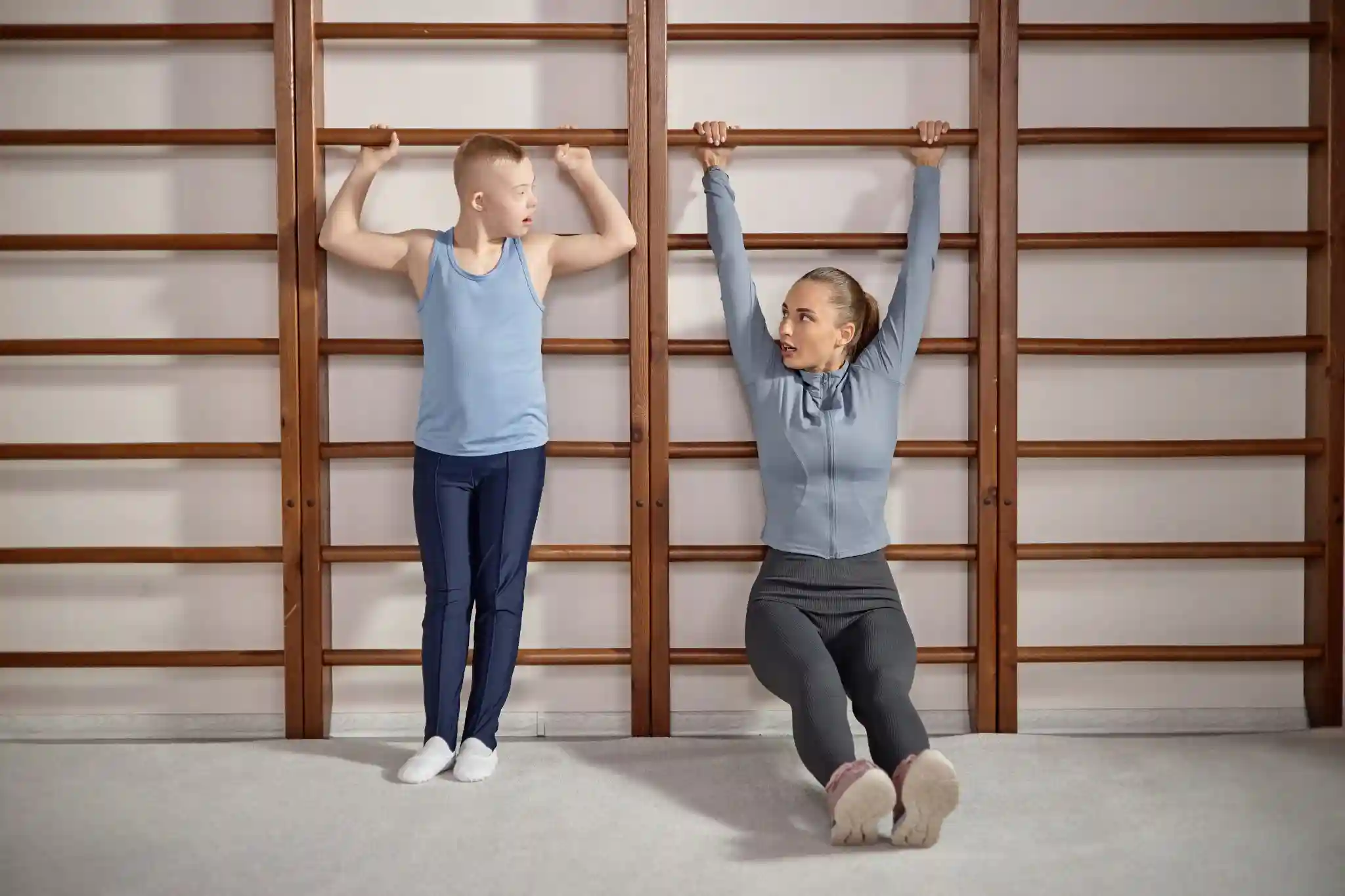
Wall Pilates is emerging as a powerful and effective form of exercise that utilizes the stability and support of a wall to enhance traditional Pilates movements. This technique not only makes Pilates more accessible but also allows for a greater focus on specific muscle groups. In this article, we will delve into which muscle groups wall Pilates targets most effectively, the benefits of this practice, and how you can incorporate it into your fitness routine.
Understanding Wall Pilates
What Is Wall Pilates?
Wall Pilates is a variation of traditional Pilates that incorporates the wall as a prop. This method allows practitioners to perform a range of exercises while benefiting from the support and guidance that the wall provides. By using the wall, individuals can maintain proper alignment and stability, making it easier to engage the targeted muscle groups effectively.
The Benefits of Wall Pilates
Engaging in wall Pilates offers numerous benefits, including:
-
Enhanced Core Strength: Wall Pilates places a significant emphasis on core engagement, which is vital for overall body strength and stability.
-
Improved Flexibility: Many wall Pilates exercises promote flexibility in various muscle groups, helping to increase the range of motion.
-
Better Posture: The focus on alignment and body mechanics in wall Pilates can lead to improved posture, essential for overall health.
-
Joint-Friendly Exercise: As a low-impact workout, wall Pilates is gentle on the joints, making it suitable for individuals of all fitness levels, including those recovering from injuries.
-
Accessibility: The wall provides support, making it easier for beginners to learn and perform exercises correctly.
With these benefits in mind, let’s explore the specific muscle groups that wall Pilates targets most effectively.
Key Muscle Groups Targeted by Wall Pilates
1. Core Muscles
The core is often referred to as the powerhouse of the body, and for a good reason. It includes several muscles, such as the rectus abdominis, transverse abdominis, and obliques. Wall Pilates exercises are designed to engage these muscles effectively.
How Wall Pilates Targets the Core: Exercises like wall roll-downs and wall leg lifts are excellent for engaging the core. These movements help stabilize the pelvis and spine while promoting overall control.
Expert Insight: According to certified Pilates instructor Laura Bennett, “Wall Pilates is fantastic for core activation. The wall provides the necessary support to engage deeper muscles that are often neglected in traditional workouts.”
2. Glute Muscles
The glutes play a crucial role in almost all movements, from walking to squatting. Wall Pilates effectively targets the glute muscles, including the gluteus maximus, gluteus medius, and gluteus minimus.
Wall Pilates Exercises for the Glutes: Movements such as wall squats and glute bridges are highly effective in activating the glutes. These exercises not only strengthen the muscles but also promote better hip stability.
Real-Life Example: Jessica, a fitness enthusiast, shared her experience: “Incorporating wall Pilates into my routine has significantly strengthened my glutes. I can feel the difference in my posture and overall stability during workouts.”
3. Hamstrings
The hamstrings, located at the back of the thigh, are essential for various movements, including running and jumping. Wall Pilates effectively targets these muscles, promoting flexibility and strength.
Wall Pilates Exercises for Hamstrings: Exercises like wall leg slides and hamstring stretches against the wall help lengthen and strengthen the hamstrings. This not only improves flexibility but also aids in injury prevention.
Research-Backed Data: A study published in the Journal of Physical Therapy Science highlights the importance of hamstring flexibility in reducing the risk of injuries. Wall Pilates provides an excellent method for safely improving hamstring strength and flexibility.
4. Quadriceps
The quadriceps, located at the front of the thigh, are essential for extending the knee and play a vital role in many physical activities. Wall Pilates effectively targets the quadriceps, enhancing strength and endurance.
Wall Pilates Exercises for Quadriceps: Wall sits and supported lunges are great wall Pilates exercises for activating the quadriceps. These movements help build strength and promote overall lower body stability.
Expert Insight: Fitness trainer Tom Richards notes, “Wall Pilates can be particularly beneficial for athletes looking to enhance their quadriceps strength, which is crucial for performance in sports.”
5. Back Muscles
A strong back is crucial for maintaining good posture and overall body mechanics. Wall Pilates targets various back muscles, including the latissimus dorsi, trapezius, and erector spinae.
Wall Pilates Exercises for Back Strength: Exercises such as wall roll-ups and supported back extensions engage the muscles of the back, promoting strength and flexibility. This contributes to better posture and reduced back pain.
Real-Life Example: Michael, a desk worker, found relief from chronic back pain after incorporating wall Pilates into his routine. “I noticed that my back feels stronger and more stable, which has improved my posture significantly,” he shared.
6. Shoulder Muscles
The shoulders are involved in many daily activities, and wall Pilates effectively targets the muscles surrounding the shoulder joint, including the deltoids and rotator cuff muscles.
Wall Pilates Exercises for Shoulders: Movements like wall push-ups and shoulder blade squeezes can help strengthen the shoulder muscles while promoting stability. This is particularly beneficial for individuals who spend long hours at a desk.
Research-Backed Data: A study published in the Journal of Shoulder and Elbow Surgery found that strengthening the shoulder muscles can improve overall shoulder function and reduce the risk of injuries.
7. Calves
The calf muscles, including the gastrocnemius and soleus, are essential for movements such as walking and running. Wall Pilates effectively targets the calves, helping to improve strength and flexibility.
Wall Pilates Exercises for Calves: Wall calf stretches and heel raises against the wall engage the calf muscles effectively. These exercises not only strengthen the calves but also improve overall leg stability.
Real-Life Example: Emily, a runner, found that incorporating wall Pilates into her training improved her calf strength, leading to better performance and reduced fatigue during long runs.
Getting Started with Wall Pilates
Finding the Right Space
To practice wall Pilates effectively, you’ll need a clear wall space with enough room to move. Ensure you have a yoga mat for added comfort, especially if you’re performing exercises on the floor.
Warm-Up
Before diving into wall Pilates exercises, it’s essential to warm up your body. Spend 5-10 minutes doing gentle stretches or mobility exercises to prepare your muscles for the workout.
Basic Wall Pilates Routine
Here’s a simple wall Pilates routine to get you started:
-
Wall Roll Down: Stand with your back against the wall, gently roll down to touch your toes, and roll back up. This exercise engages your core and stretches your back.
-
Wall Squats: Stand with your back against the wall and slide down into a squat position, holding for a few seconds before sliding back up. This targets your glutes and quadriceps.
-
Wall Leg Lifts: Stand beside the wall for support and lift one leg out to the side, engaging your glutes. Repeat on both sides.
-
Wall Push-Ups: Place your hands on the wall and perform push-ups to engage your shoulders and chest.
-
Hamstring Stretch: Place one foot on the wall and lean forward to stretch your hamstrings. Hold for 20-30 seconds, then switch sides.
Cool Down
After completing your routine, take a few minutes to cool down with gentle stretches. Focus on areas that feel tight or fatigued to promote recovery.
Incorporating Wall Pilates into Your Fitness Routine
Consistency is Key
To see the best results from wall Pilates, consistency is essential. Aim to incorporate wall Pilates into your routine at least 2-3 times a week. This will help you build strength, flexibility, and stability over time.
Combine with Other Workouts
Wall Pilates can be a fantastic addition to your overall fitness routine. Consider combining it with other forms of exercise, such as cardio, strength training, or yoga, to create a balanced program that targets different muscle groups.
Listen to Your Body
As with any exercise program, it’s essential to listen to your body. If you experience pain or discomfort during a wall Pilates session, modify the movement or consult a fitness professional for guidance.
Expert Insights on Wall Pilates
The Future of Wall Pilates
As fitness trends continue to evolve, wall Pilates is gaining recognition for its effectiveness and accessibility. Fitness experts believe that this method will continue to grow in popularity, especially among those seeking low-impact workout options.
The Role of Mind-Body Connection
Many Pilates instructors emphasize the importance of the mind-body connection during workouts. According to certified Pilates trainer Rachel Green, “Wall Pilates encourages awareness of body alignment and control, which enhances the overall effectiveness of the exercises.”
Conclusion
Wall Pilates is an effective way to target specific muscle groups while promoting overall strength, flexibility, and stability. By focusing on the core, glutes, hamstrings, quadriceps, back, shoulders, and calves, wall Pilates provides a comprehensive workout that can be adapted to suit all fitness levels. Whether you are a beginner or an experienced practitioner, incorporating wall Pilates into your routine can lead to significant improvements in your overall fitness and well-being.
As you embark on your wall Pilates journey, remember to prioritize consistency, listen to your body, and enjoy the process of movement. With the right mindset and dedication, you can unlock the numerous benefits that wall Pilates has to offer.
FAQs
1. What muscle groups does wall Pilates primarily target?
Wall Pilates primarily targets the core, glutes, hamstrings, quadriceps, back, shoulders, and calves, providing a comprehensive workout for overall strength and stability.
2. Is wall Pilates suitable for beginners?
Yes, wall Pilates is accessible for beginners and provides support for learning proper alignment and technique during exercises.
3. How often should I practice wall Pilates?
Aim to practice wall Pilates at least 2-3 times a week to build strength, flexibility, and stability over time.