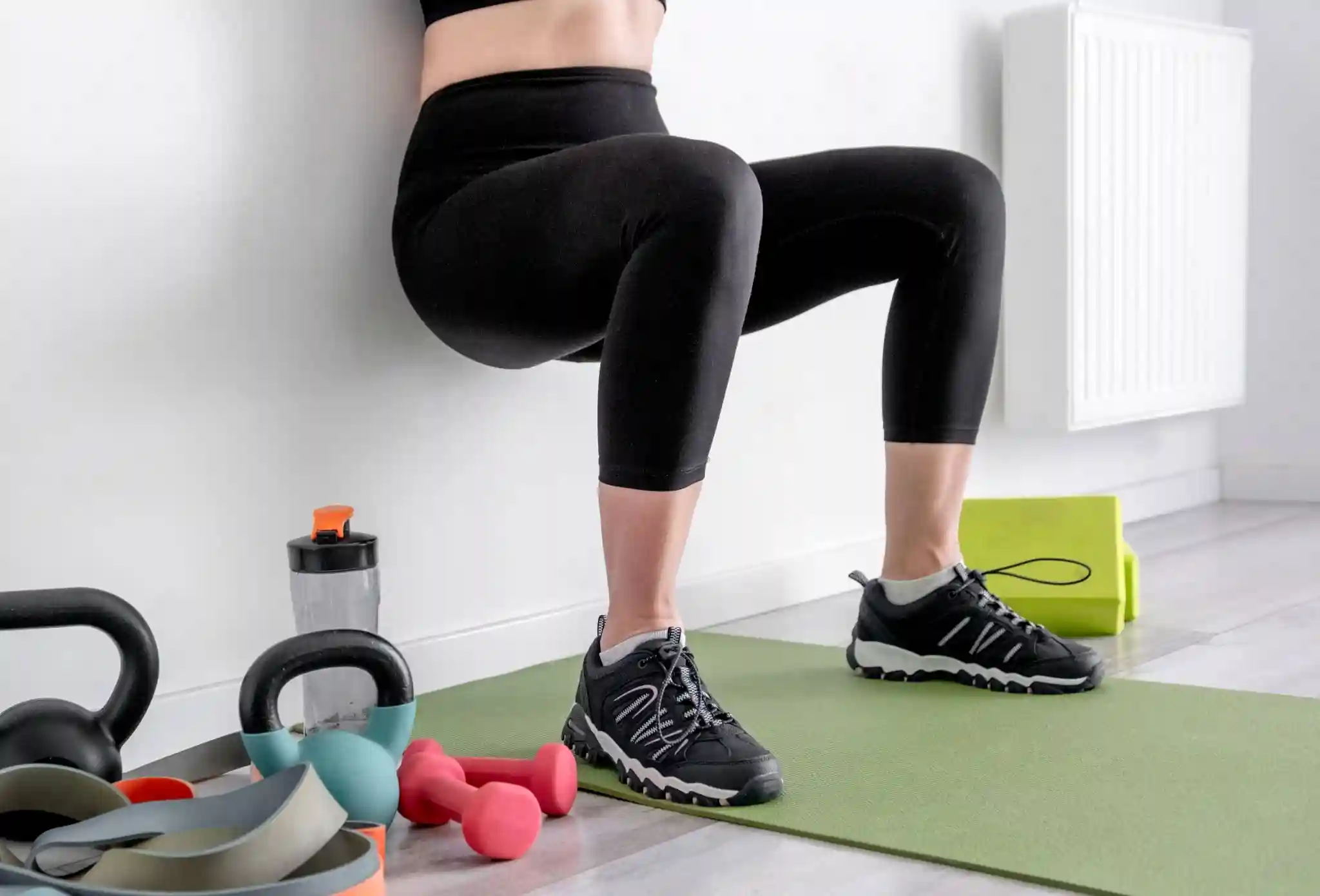
Wall Pilates has become popular for a reason. It is simple, low-impact, beginner-friendly, and surprisingly effective when done properly.
At first glance, it may look too gentle to challenge your core. But once you actually do it with control, breath, and proper alignment, you quickly realize how much work your core is doing.
That is because Pilates is not just about movement. It is about controlled movement.
And when you add a wall into the equation, it gives you something extremely useful: feedback. The wall helps you notice posture, alignment, stability, and where your body may be compensating. That makes many exercises more effective, especially for people trying to build better core strength, posture, and body control.
So, how do you perform the most effective wall Pilates exercises for core strength?
The answer is not by rushing through random movements. It is by using the wall to improve:
-
alignment
-
core engagement
-
breathing
-
pelvic control
-
movement quality
Let’s go through the best wall Pilates exercises for core strength and how to do them correctly. Pilates is known for controlled, low-impact movement that builds deep core strength, stability, posture, and muscular endurance rather than just “ab burn.”
Why Wall Pilates Works So Well for Core Strength
Before jumping into the exercises, it helps to understand why the wall is useful in the first place.
A wall can help you:
-
Keep your spine in better alignment
-
Improve posture awareness
-
Reduce momentum and cheating
-
Feel whether your ribs, pelvis, or lower back are shifting
-
Add light resistance or support
That matters because your core is not just your abs.
Your core includes:
-
Deep abdominals
-
Obliques
-
Lower back stabilizers
-
Pelvic floor
-
Diaphragm
-
Glutes and hip stabilizers
Pilates is especially good at training these deeper stabilizing muscles. Core work like pelvic control, bridges, toe taps, and bird-dog-style stability drills helps support the spine and improve trunk control.
And when you perform wall Pilates well, you are not just “working your stomach.” You are training your body to stabilize better as a whole.
Before You Start: The 3 Rules That Make Wall Pilates Effective
A lot of people do Pilates movements too fast or too loosely and then wonder why they do not feel much.
These three things make a huge difference.
1. Move Slowly
Pilates is about control, not speed.
2. Breathe With Intention
Exhale during the effort. Inhale to prepare or reset.
3. Keep the Core Gently Engaged
Think about drawing your ribs and lower abs inward without sucking in too hard.
You do not need to tense your entire body. You just need controlled, steady engagement.
That is where the real core work happens.
1. Wall Pelvic Tilt
This is one of the best wall Pilates exercises for beginners because it teaches something most people lack:
Pelvic control
If your pelvis and lower back are not stable, your core work usually becomes sloppy.
How to do it:
-
Stand with your back against the wall.
-
Keep your feet about 8–12 inches away from the wall.
-
Let your knees bend slightly.
-
Notice the small natural space between your lower back and the wall.
-
Exhale and gently tilt your pelvis so your lower back presses into the wall.
-
Inhale and return to neutral.
What to focus on:
-
Do not force the movement
-
Keep shoulders relaxed
-
Move from the pelvis, not the chest
Reps:
10–12 slow reps
This exercise may look small, but it is one of the best ways to build awareness in the lower core.
2. Wall Roll Down
This movement helps improve spinal control, abdominal engagement, and posture.
It is especially useful for people who feel stiff, compressed, or disconnected from their midsection.
How to do it:
-
Stand with your back lightly against the wall.
-
Keep your feet a few inches away from it.
-
Inhale to prepare.
-
Exhale and slowly tuck your chin.
-
Begin peeling your spine away from the wall one section at a time.
-
Roll down only as far as you can control.
-
Inhale at the bottom.
-
Exhale and slowly stack back up against the wall.
What to avoid:
-
Dropping too fast
-
Locking the knees
-
Pulling with the neck
Reps:
6–8 slow reps
This is less about flexibility and more about controlled articulation.
That is what makes it effective.
3. Wall Dead Bug Press
This is one of the most effective wall Pilates exercises for core strength because it teaches the abs to stabilize while the limbs move.
That is a huge part of real-life core function.
How to do it:
-
Lie on your back with your feet flat on a wall.
-
Knees should be bent to about 90 degrees.
-
Press your hands gently into your thighs.
-
Exhale and engage your core.
-
Slowly tap one heel down toward the floor while keeping the other leg steady.
-
Return and switch sides.
What to focus on:
-
Keep your lower back from arching
-
Move slowly
-
Exhale during the leg movement
Reps:
8–10 reps per side
This move is excellent for training deep core control without straining the neck or hip flexors too much.
4. Wall Bridge Hold
This move targets more than just the glutes. It also helps build pelvic stability and deep core engagement.
How to do it:
-
Lie on your back with both feet flat against the wall.
-
Knees should be bent at about 90 degrees.
-
Arms rest by your sides.
-
Exhale and lift your hips into a bridge.
-
Press your feet into the wall as you hold.
-
Keep ribs down and core engaged.
-
Lower with control.
Why it works well
The wall helps create resistance and encourages better lower-body connection, which supports the core. Controlled bridge work is also commonly used to improve spinal support and trunk stability.
Reps:
-
8–10 reps
-
Or 20–30 second hold
This is a very effective move for people who want stronger lower abs and better pelvic control.
5. Wall March in Standing Position
This one looks simple, but it is excellent for balance and anti-rotation core work.
It teaches your trunk to stay stable while the legs move.
How to do it:
-
Stand tall with your back lightly touching the wall.
-
Keep your ribs stacked over your pelvis.
-
Exhale and slowly lift one knee to hip height.
-
Lower with control.
-
Repeat on the other side.
What to focus on:
-
Avoid leaning side to side
-
Keep your core braced gently
-
Stay tall through the spine
Reps:
10–12 reps per side
This is a great functional core exercise because it mimics how the core should work during walking and daily movement.
6. Wall Plank Hold
This is one of the easiest ways to make planks more accessible without losing the core challenge.
How to do it:
-
Stand facing the wall.
-
Place your forearms or hands on the wall.
-
Walk your feet back until your body forms a straight line.
-
Engage your abs, glutes, and legs.
-
Hold the position while breathing steadily.
What to focus on:
-
Do not let your lower back sag
-
Keep your ribs pulled in
-
Think long, not collapsed
Reps:
Hold for 20–40 seconds
This is a great beginner-friendly way to build core endurance.
As you improve, you can move your feet farther back to make it harder.
7. Wall Side Leg Press for Oblique Control
This move adds lateral core work, which is often missing from basic routines.
How to do it:
-
Stand sideways next to a wall.
-
Place your outside hand lightly on your hip.
-
Lift the inside knee and gently press it into the wall.
-
Hold that pressure while keeping your torso upright.
-
Release and repeat.
Why it matters
This trains the obliques and deep stabilizers to resist side collapse.
Reps:
8–10 reps per side or 15-second holds
This is excellent for building more complete core strength, not just front-ab strength.
A Simple Wall Pilates Routine for Core Strength
If you want to turn these into a practical workout, here is a simple sequence.
Beginner Wall Pilates Core Routine
Perform the following:
-
Wall Pelvic Tilt – 10 reps
-
Wall Roll Down – 6 reps
-
Wall Dead Bug Press – 8 reps per side
-
Wall Bridge Hold – 8 reps or 20 seconds
-
Wall March – 10 reps per side
-
Wall Plank Hold – 20–30 seconds
-
Wall Side Leg Press – 8 reps per side
Suggested format:
-
Do 2–3 rounds
-
Rest 30–45 seconds between exercises if needed
This routine works well 3 to 4 times per week.
And because it is low-impact, it is often easier to stay consistent with than more intense ab workouts.
Common Mistakes That Make Wall Pilates Less Effective
A lot of people do the movements, but not in a way that actually builds strong core control.
Watch out for these mistakes:
1. Moving Too Fast
Fast reps often mean less control and less core activation.
2. Arching the Lower Back
This usually means the abs are not staying engaged properly.
3. Holding the Breath
Breathing is part of Pilates. It helps support core control.
4. Using the Neck or Shoulders Too Much
The core should be doing the work, not your upper body tension.
5. Treating It Like a Quick Burnout Workout
Wall Pilates works best when you focus on quality, not just fatigue.
That is the real difference between “doing the moves” and actually getting results.
How Long Does It Take to Feel Stronger?
With consistent practice, many people notice improvements in:
-
posture
-
control
-
core awareness
-
balance
-
movement quality
within a few weeks.
The key is not doing the hardest exercises.
The key is doing the basics well and consistently. That is exactly where wall Pilates can be so effective. It gives you a simple setup with a lot of body feedback, and that often leads to better form and better results.
FAQs
1. Is wall Pilates good for beginners who want stronger abs?
Yes, wall Pilates is excellent for beginners because it offers more support and body awareness than many floor-based exercises. It helps you learn alignment, breathing, and core engagement more clearly, which makes it easier to strengthen the abs and deeper core muscles safely and effectively.
2. How often should I do wall Pilates for core strength?
A good starting point is 3 to 4 times per week, depending on your schedule and recovery. Because wall Pilates is low-impact, it is often easier to do consistently. What matters most is focusing on controlled form and regular practice rather than trying to do too much at once.
3. Can wall Pilates help with posture and lower back support too?
Yes, it often can. Many wall Pilates exercises help improve spinal alignment, pelvic control, and deep core stability, which can support better posture and lower back function. When done with proper form, these exercises can help you move more efficiently and feel more supported in daily life.
Conclusion
The wall is not just there for support. It acts like a guide. It helps you feel your posture, engage your core more accurately, and move with better awareness.
That is what makes wall Pilates so useful, especially for people who want a more approachable but still effective way to build real core strength. You do not need complicated equipment or high-impact training to strengthen your core well. Sometimes, a wall and a few intentional movements are more than enough.