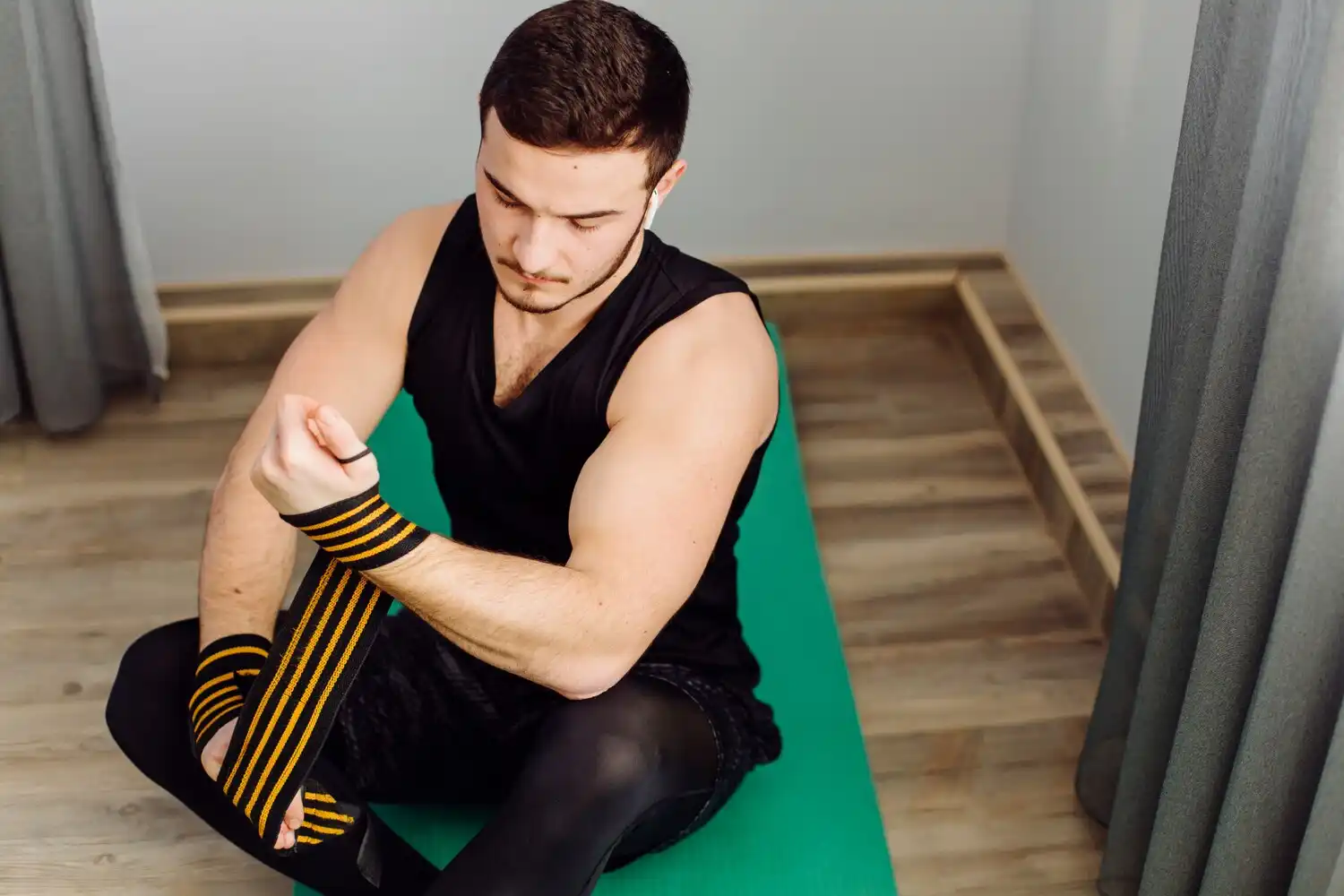
The rest of the muscle is as important as the exercise. When you go to the gym and pull out the weights, run a marathon, or do some yoga, your muscles become stressed in the process of doing so. It is recovery that enables such muscles to repair, rebuild and become stronger. Nevertheless, proper recovery is an aspect that is ignored by many individuals and thus, it may slow down the progression, burn an individual, or even result in injuries.
In this all-inclusive recovery guide, you will be equipped with the most recent, science-based techniques to ensure that your muscles recuperate quicker, decrease soreness, and equip your body with your subsequent workout. After implementing these strategies, you will not only feel better but also achieve better results in the long term and performance.
Making Sense of Muscle Recovery
During exercise, in particular high intensity exercise or strength training, tiny tears occur in the muscle fibers. This is totally normal and is a process which makes the muscles stronger and tougher. Nevertheless, time, nutrients, and good care are required in your body to recover those fibers.
There is nothing like resting to be considered muscle recovery; it is a process that is dynamic in nature and involves a number of factors such as; hydration, nutrition, stretching, and even sleep. Lack of proper recovery may result in overtraining that may cause fatigue, poor performance and even harm.
The article by Liu et al. (2022) in the Journal of Sports Medicine has pointed to the importance of muscle soreness as a key factor that can be mitigated by successful recovery practices to reduce the soreness by 30 percent, enhance endurance, and speed up the overall progress in fitness.
1. Recovery at a faster rate: Prefer Nutrition
Muscles require something to repair themselves and nutrition is very important when it comes to this. Once you have a workout, you have lost the glycogen stores (energy stores) in your body and your muscles are in need of building up.
The most important Supplies to have when recovering:
Protein: Protein is the component that builds the muscle tissue. Protein supplements with high quality taken after exercise recovery aid in repairing microtears and muscles build up. The studies indicate that 20-40 grams of protein after workouts is the best to restore the muscles.
-
Carbohydrates: Carbs restore the glycogen reserves, which are vital in energy. Combine carbohydrates with protein to achieve an optimum recovery.
-
Healthy Fats: Fats do not actually help in immediate recovery but they help in decreasing inflammation and overall health.
Example Post-Workout Meals:
-
Cooked chicken and sweet potatoes.
-
Banana Whey protein shake.
-
Berry and granola Greek yogurt.
Hydration is also a necessary factor as even slight dehydration can decelerate the recovery. After exercise, look to drink water or a fluid with high amounts of electrolytes to replace the lost fluids.
2. Sleep: The Answer Superior Tool
There is no one thing that you should stop at and sleep is one of them. Growth hormones are also released in the body during deep sleep and are important in muscle repair and recovery. Poor sleep may decelerate this process and elevate cortisol (the stress hormone) that may deter recovery.
How Much Sleep Do You Need?
The recommended duration of sleep per night is 7-9 hours of quality sleep, although it may require more of athletes or individuals who train hard.
Tips for Better Sleep:
-
Keep a regular sleeping pattern.
-
Establish a bedtime ritual, e.g. reading or meditating.
-
Avoid monitors and caffeine to bed.
The 2023 study published by the American Journal of Physiology determined that regular and high-quality sleep enhanced muscle recovery by half in participants that took part in high-intensity exercises.
3. Active Recovery: Not to Stop Moving
Rest days need not necessarily be spending the day on the couch. Active recovery uses low intensity exercises, which enhance the circulation of blood and decrease soreness without straining your muscles further.
Examples of Active Recovery:
-
A light yoga to warm the tight muscles.
-
A casual walk or bike ride.
-
Swimming or exercise in water with fewer effects on the joints.
Active recovery aids in the clearing of lactic acid and introduction of fresh oxygen and nutrients into your muscles. It is a great method of being active and at the same time allows your body time to recover.
4. Mobility and Stretching
Probably one of the simplest and yet effective methods of enhancing flexibility and decreasing muscle stiffness includes stretching afterward. Although it is best to do the stretching (taking 20-30 seconds to hold a stretch) after workout, during warm-ups, dynamic stretches should be performed.
Another type of exercise that can improve muscle recovery is mobility exercises, e.g. foam rolling or massage gun. Foam rolling separates the adhesions of muscle and fascia, enhances the blood flow and alleviates pain.
How to Foam Roll Effectively:
Target such key muscle groups as quads, hamstring, and calves.
Roll slowly around tight spots taking 1-2 minutes on each muscle group.
5. Cold Therapy/ Heat Therapy
The healing process does not only concern what one eats and how they move- other forms of therapies such as ice baths and heating pads might also be involved.
-
Cold Therapy (Cryotherapy): Ice will also help in the reduction of inflammation and soreness of the muscle by applying ice packs or taking ice baths. This comes in handy especially following vigorous exercises.
-
Heat Therapy: Heat enhances the circulation of blood and opens tight muscles. Apply a heating pad, or have a warm bath to relieve stiffness.
Contrast Therapy (alternating cold and hot therapy) has been popular over recent years as a method of increasing blood flow and accelerating healing.
6. Supplements for Recovery
Though, the main source of nutrients should always be your food, some supplements could help in recovery.
Famous Recovery Supplements:
-
Branched-Chain Amino Acids (BCAAs): Assist in decreasing muscle pain and repairing.
-
The creatine: Helps muscles to recover and gain strength.
-
Omega-3 Fatty Acids: Decrease inflammation and the general recovery.
-
Magnesium: Removes cramps in the muscles and helps in relaxation.
-
Note: Do not take any supplements without consulting a medical professional.
7. How to cope with Stress and get Well
Chronic stress also has the ability to decelerate the process of recovering as a person accumulates cortisol, which disrupts muscle repair. Stress-management techniques can be incorporated in your daily routine, and it would help you become better mentally and physically.
Best Stress Relief Strategies:
-
Breathing or meditating.
-
Spending time in nature.
-
Two things, journaling or gratitude.
8. Listen to Your Body
The greatest recovery tip that is probably very important is to listen to your body. In case you feel unduly tired or pained, then it could be an indication that you are overworking or failing to have sufficient rest.
Symptoms of More Resting Time required:
-
Recurrent muscle pain which takes more than 72 hours.
-
The fatigue, which does not respond to rest.
-
Reduced performance during exercising.
The thing is that recovery is not a universal process. Different people react in different ways to their bodies hence it is very important to ensure that you listen to what works best on you.
Final Thoughts
The need to have muscle recovery is a key aspect of any fitness. It is not necessarily about a break but rather about favoring the power of your body to rest and become stronger. You can decrease soreness to prevent injuries and maximize your performance by means of proper nutrition, good sleep, active recovery, and mitigation of stress.
It is important to remember that the magic of recovery is in the recovery. It is at this point that your body adjusts to stress related to exercise and you are back stronger and more resilient. Therefore, do not underestimate recovery, it is the secret to success in the long term of your fitness process.