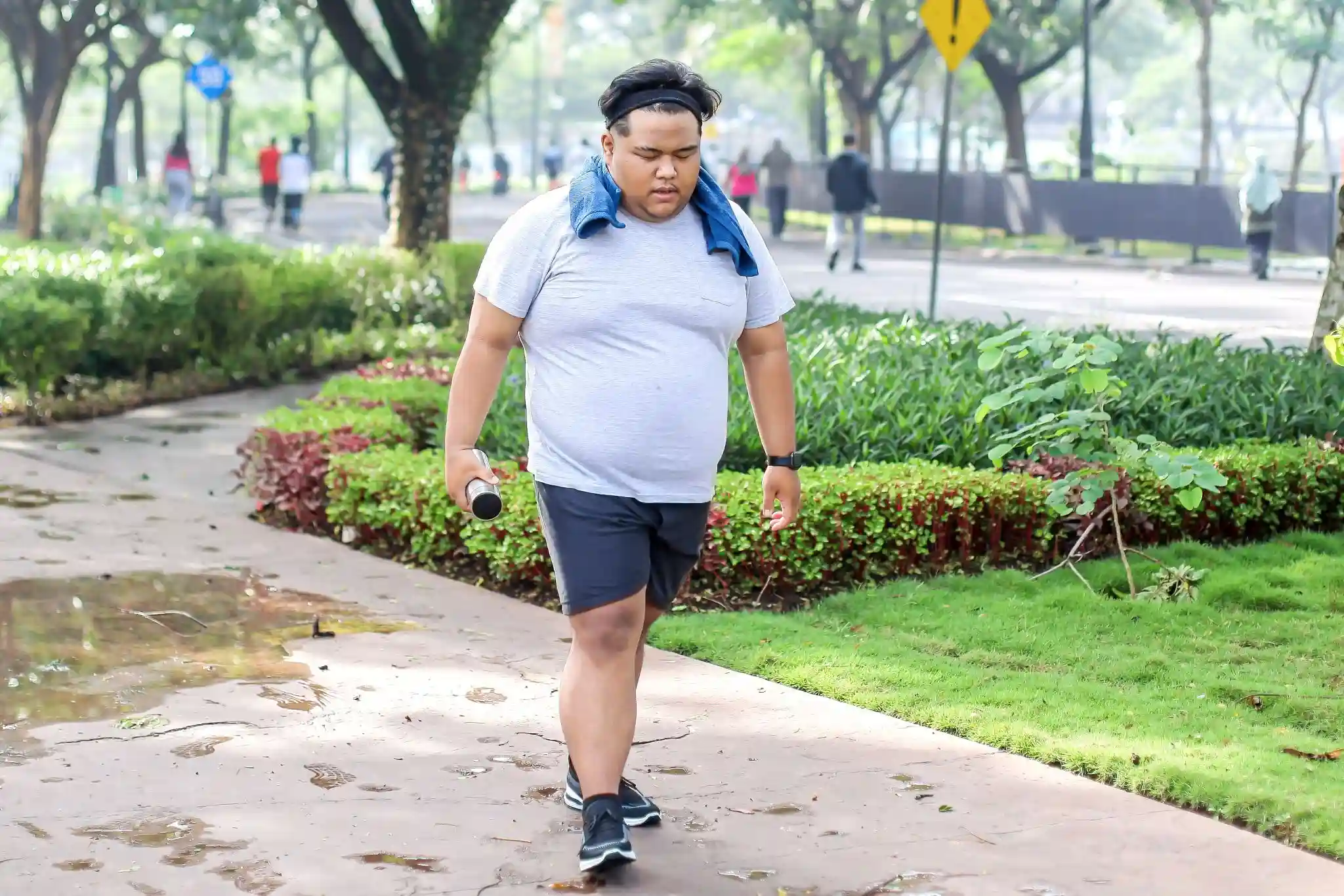
Walking is one of the most accessible and sustainable forms of exercise available to people of all ages and fitness levels. Unlike intense workout programs that often require specialized equipment, gym memberships, or advanced athletic ability, walking can be incorporated into daily life with relatively little cost or preparation. Because of its simplicity, many people wonder whether consistently walking is enough to reduce belly fat and improve body composition. The question is especially relevant because abdominal fat is often associated with health concerns such as cardiovascular disease, insulin resistance, and metabolic dysfunction. While social media and fitness marketing frequently promote complex workout routines as the fastest path to fat loss, scientific evidence increasingly highlights the value of consistent, moderate physical activity.
Walking may not seem as dramatic as high-intensity exercise, but its long-term effects on calorie expenditure, metabolic health, and overall activity levels can be significant. Understanding whether a consistent walking routine can truly help reduce belly fat requires examining how fat loss occurs, how the body stores and uses energy, and why consistency often matters more than intensity when pursuing sustainable health and fitness goals.
Understanding Belly Fat
Before discussing walking specifically, it is important to understand what belly fat actually is.
Abdominal fat generally falls into two categories:
-
Subcutaneous fat, which sits beneath the skin.
-
Visceral fat, which surrounds internal organs.
Visceral fat receives particular attention from health professionals because excessive amounts are associated with increased risks of:
-
heart disease
-
type 2 diabetes
-
metabolic syndrome
-
certain chronic illnesses
When people talk about losing belly fat, they are often referring to reducing overall body fat while improving waist circumference and abdominal appearance.
The Myth of Spot Reduction
One of the most common misconceptions in fitness is the idea of spot reduction.
Spot reduction refers to the belief that exercising a specific body part directly burns fat from that area.
For example, some people believe that:
-
sit-ups burn belly fat
-
arm exercises burn arm fat
-
leg exercises burn thigh fat
Scientific evidence does not support this concept.
The body loses fat according to complex physiological processes influenced by:
-
genetics
-
hormones
-
overall energy balance
-
lifestyle factors
Fat loss occurs throughout the body rather than exclusively from the area being exercised.
This means walking does not specifically target abdominal fat, but it can contribute to overall fat reduction that eventually affects the waistline.
How Fat Loss Actually Works
Fat loss primarily occurs when the body consistently uses more energy than it consumes.
This condition is commonly called a calorie deficit.
When energy intake remains lower than energy expenditure over time, the body begins using stored energy reserves, including fat stores, to meet its needs.
Walking contributes to this process because it increases daily energy expenditure.
While a single walk may burn a modest number of calories, repeated activity performed consistently over weeks and months can create meaningful cumulative effects.
The key factor is consistency rather than occasional bursts of activity.
Why Walking Is More Powerful Than Many People Realize
Walking is often underestimated because it feels relatively easy compared to:
-
running
-
high-intensity interval training
-
competitive sports
-
strenuous gym workouts
However, sustainable exercise habits frequently outperform intense programs that people cannot maintain.
Walking offers several advantages:
-
low injury risk
-
accessibility
-
minimal equipment requirements
-
suitability for most fitness levels
-
ease of long-term adherence
Because people can maintain walking routines for years, the long-term health benefits can be substantial.
Walking and Calorie Expenditure
Walking burns calories by requiring muscles to perform continuous work.
The exact number of calories burned depends on factors such as:
-
body weight
-
walking speed
-
terrain
-
duration
-
fitness level
A person who walks consistently may burn hundreds of additional calories each week.
Over time, these calories contribute to overall energy expenditure, supporting weight management and fat reduction.
The cumulative effect becomes particularly meaningful when walking becomes a daily habit.
The Importance of Consistency
Consistency plays a larger role in fat loss than many people realize.
Many individuals start aggressive exercise programs only to abandon them after a few weeks.
Walking succeeds because it is easier to sustain.
A person who walks:
-
30 minutes daily
-
45 minutes daily
-
60 minutes daily
for months or years often achieves better long-term results than someone who performs intense workouts sporadically.
Consistency creates momentum, which is one of the most important factors in successful fat loss.
Walking and Visceral Fat Reduction
Research suggests that regular aerobic activity can help reduce visceral fat.
Walking qualifies as aerobic exercise because it elevates heart rate and increases oxygen utilization.
As physical activity levels increase, the body often becomes more efficient at:
-
using energy
-
regulating blood sugar
-
managing insulin sensitivity
These improvements support healthier body composition and may contribute to reductions in abdominal fat over time.
Why Walking Improves Metabolic Health
Metabolism refers to the collection of processes the body uses to generate and utilize energy.
Regular walking may improve metabolic health by supporting:
-
blood sugar regulation
-
insulin sensitivity
-
cardiovascular function
-
energy utilization
Improved metabolic function can make weight management more effective and sustainable.
These benefits often occur even before significant weight loss becomes visible.
The Role of Daily Activity
Many people focus exclusively on structured workouts while ignoring overall daily movement.
Health experts increasingly recognize the importance of total daily activity.
Walking contributes to:
-
increased step counts
-
reduced sedentary behavior
-
improved circulation
-
greater calorie expenditure
Small increases in daily movement can accumulate into meaningful health improvements over time.
Walking and Appetite Regulation
Exercise may influence appetite in complex ways.
Some individuals find that regular walking helps improve awareness of hunger and fullness signals.
Walking may also support healthier lifestyle patterns by encouraging:
-
improved sleep
-
reduced stress
-
greater mindfulness
These factors can indirectly support healthier eating habits and weight management.
Stress, Cortisol, and Belly Fat
Chronic stress can influence fat storage patterns.
Elevated stress levels are associated with increased production of cortisol, a hormone involved in energy regulation.
Long-term stress may contribute to:
-
overeating
-
poor sleep
-
increased abdominal fat accumulation
Walking often helps reduce stress and promote relaxation.
Many people report improvements in:
-
mood
-
mental clarity
-
emotional well-being
after regular walks.
These psychological benefits may indirectly support fat-loss efforts.
Walking and Cardiovascular Health
Even if belly fat reduction occurs gradually, walking provides numerous cardiovascular benefits.
Regular walking supports:
-
heart health
-
blood circulation
-
blood pressure management
-
endurance
Improved cardiovascular fitness enhances overall health regardless of changes in body composition.
This makes walking valuable even when aesthetic goals are not the primary focus.
How Long Should You Walk?
There is no universal answer because individual circumstances vary.
However, many health organizations recommend at least 150 minutes of moderate-intensity aerobic activity per week.
This can be achieved through:
-
30 minutes per day
-
five days per week
Some individuals may benefit from longer durations depending on their goals and fitness levels.
The most effective routine is often the one that can be maintained consistently.
Walking Speed and Intensity
Walking intensity influences calorie expenditure.
A leisurely stroll burns fewer calories than brisk walking.
Increasing pace may:
-
elevate heart rate
-
increase energy expenditure
-
improve cardiovascular adaptation
However, even moderate walking can provide meaningful health benefits when performed consistently.
The ideal intensity depends on individual fitness and comfort levels.
Walking and Muscle Preservation
Weight loss sometimes results in the loss of both fat and muscle.
Walking generally places lower stress on muscles compared to resistance training, but it still helps maintain physical activity levels.
Combining walking with strength training may provide additional benefits by supporting:
-
muscle preservation
-
metabolic health
-
body composition improvement
Nevertheless, walking alone remains beneficial for many individuals.
Nutrition Still Matters
One of the most important realities of fat loss is that exercise and nutrition work together.
Walking can increase calorie expenditure, but excessive calorie intake may offset those benefits.
For example, a person may burn calories through walking but consume more energy than needed through:
-
sugary beverages
-
highly processed foods
-
oversized portions
Balanced nutrition often plays a major role in achieving noticeable fat loss.
Walking supports the process but does not completely replace dietary considerations.
Walking Compared With Other Exercises
Walking is not necessarily the fastest method for burning calories.
Activities such as:
-
running
-
cycling
-
swimming
-
high-intensity interval training
may produce greater calorie expenditure within shorter periods.
However, walking offers advantages related to:
-
sustainability
-
safety
-
accessibility
-
recovery
The best exercise is often the one people continue doing consistently.
Why Walking Supports Long-Term Weight Management
Many people focus exclusively on losing weight rather than maintaining results.
Long-term weight management requires sustainable habits.
Walking fits well into daily routines because it can be performed:
-
before work
-
during lunch breaks
-
after dinner
-
while traveling
This flexibility makes it easier to maintain over time.
Sustainable habits generally produce more lasting results than temporary fitness programs.
Walking and Aging
Walking remains valuable throughout life.
As people age, high-impact activities may become more difficult due to:
-
joint concerns
-
mobility limitations
-
recovery challenges
Walking provides a low-impact alternative that supports:
-
cardiovascular health
-
mobility
-
balance
-
independence
Its accessibility makes it one of the most practical lifelong fitness activities.
Technology and Walking Motivation
Modern technology has increased interest in walking through:
-
fitness trackers
-
smartwatches
-
step-counting apps
Companies such as Apple and Fitbit popularized activity tracking, helping users monitor:
-
daily steps
-
distance traveled
-
calories burned
-
activity goals
Tracking progress often increases motivation and consistency.
Walking Outdoors Versus Indoors
Both outdoor and indoor walking can support fat loss goals.
Outdoor walking may provide additional benefits through:
-
fresh air
-
natural scenery
-
stress reduction
-
sunlight exposure
Indoor options such as treadmills offer convenience during:
-
bad weather
-
extreme temperatures
-
scheduling constraints
The best choice depends on personal preference and accessibility.
Common Mistakes People Make
Many people become discouraged because they expect immediate results.
Common mistakes include:
-
inconsistent routines
-
unrealistic expectations
-
focusing only on scale weight
-
ignoring nutrition
-
stopping too soon
Fat loss is generally a gradual process.
Consistent effort often produces better outcomes than seeking rapid transformation.
Realistic Expectations
Walking can support belly fat reduction, but results vary among individuals.
Factors influencing outcomes include:
-
age
-
genetics
-
diet
-
sleep
-
stress
-
activity level
Some people notice visible changes within months, while others require longer periods.
Patience remains essential.
The Bigger Health Picture
Even if belly fat reduction occurs slowly, walking improves numerous aspects of health.
Benefits often include:
-
better cardiovascular fitness
-
improved mood
-
increased energy
-
enhanced mobility
-
reduced stress
These improvements contribute to overall quality of life and long-term well-being.
Conclusion
A consistent walking routine can absolutely contribute to belly fat reduction, but it is important to understand how the process works. Walking does not directly target abdominal fat, nor can any exercise selectively burn fat from a specific area of the body. Instead, walking helps create conditions that support overall fat loss by increasing daily energy expenditure, improving metabolic health, enhancing cardiovascular fitness, and encouraging long-term physical activity. Over time, reductions in total body fat often lead to decreases in abdominal fat as well.
One of walking’s greatest strengths is its sustainability. Unlike many intense fitness programs that become difficult to maintain, walking is accessible, low-impact, and adaptable to a wide variety of lifestyles. This consistency often produces better long-term results than short periods of extreme exercise. Walking also provides benefits beyond weight management, including improvements in stress reduction, cardiovascular health, mood, mobility, and overall well-being.
While nutrition remains an important factor in fat loss, walking serves as a powerful tool that supports healthier habits and increased daily movement. For individuals seeking a practical, sustainable approach to improving health and reducing belly fat, maintaining a consistent walking routine can be an effective strategy. The key is not perfection or intensity but regular movement performed consistently over time.