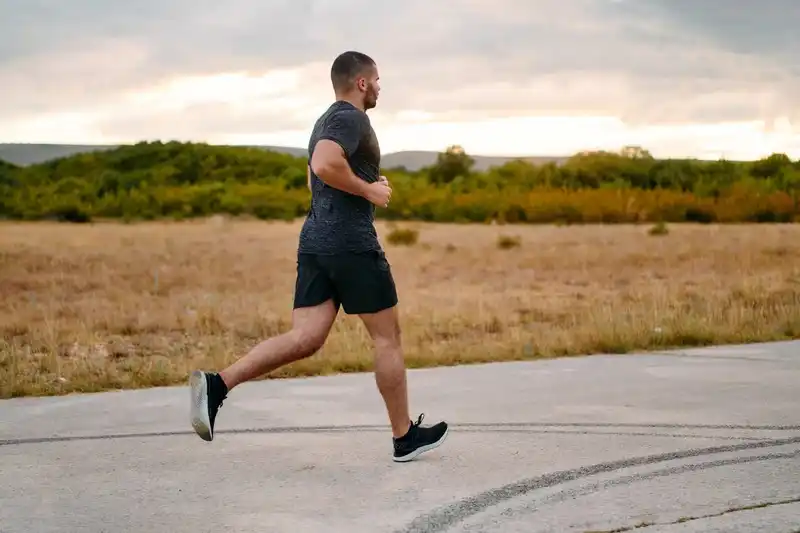
Brisk walking for fat loss is one of the most underrated yet effective strategies in weight management. It sits in a unique space between low-effort movement and structured cardio training. Unlike intense workouts that demand recovery, brisk walking can be done daily with minimal fatigue. The key idea is not just walking more, but walking at the right intensity that encourages fat oxidation. Many people assume walking is too “light” to burn fat effectively, but research consistently shows that moderate-intensity walking can be highly efficient for long-term fat loss when done correctly. The goal is to understand how speed, heart rate, and duration interact to create the best metabolic response.
Understanding Fat Oxidation During Walking
Fat oxidation refers to the process where the body breaks down stored fat to use as energy. During walking, your body uses a mix of carbohydrates and fats depending on intensity. At lower intensities, fat becomes a more dominant fuel source. At higher intensities, carbohydrates take priority because they provide faster energy. This is why moderate-intensity exercise like brisk walking is often linked with improved fat utilization. However, the “fat-burning zone” is often misunderstood. It does not mean higher fat loss automatically happens at low intensity. Instead, it means a higher percentage of energy comes from fat. Total calorie burn still matters more for overall fat loss, and brisk walking strikes a balance between fat utilization and sustainable energy expenditure.
Ideal Walking Speed for Maximum Fat Burning Efficiency
The ideal brisk walking speed for fat loss generally falls between 5 to 6.5 km/h (3.1 to 4 mph), depending on fitness level. At this pace, breathing becomes noticeably deeper, but you are still able to hold a conversation. This is often referred to as moderate-intensity steady-state activity. The goal is not to walk as fast as possible but to maintain a pace that keeps your heart rate in an optimal fat-oxidation range.
Heart rate-based fat-burning range
A more precise way to identify ideal intensity is through heart rate. The fat-burning zone is typically around 50 to 70 percent of your maximum heart rate. Maximum heart rate is roughly estimated as 220 minus your age. For example, a 30-year-old would have a maximum heart rate of around 190 beats per minute, making their fat-burning range approximately 95 to 133 bpm. Staying within this range helps the body rely more on fat as fuel while still maintaining a sustainable effort level.
Speed benchmarks for brisk walking
Speed alone is not universal because stride length, terrain, and fitness level all influence effort. However, as a general benchmark, beginners may find 4.5 to 5 km/h effective, while more conditioned walkers may sustain 6 to 6.5 km/h comfortably. Incline walking can lower required speed while maintaining intensity, making it a powerful variation for fat loss without increasing joint stress.
Factors That Influence Brisk Walking for Fat Loss Results
Several factors determine how effective brisk walking is for fat loss. Body weight and fitness level play a major role in calorie expenditure. A heavier individual burns more calories at the same speed compared to someone lighter. Terrain also matters significantly. Walking uphill or on uneven surfaces increases muscular engagement and energy demand. Treadmills offer control, but outdoor walking often results in higher variability and natural resistance changes. Duration is another key factor. Even at the perfect speed, short walks may not create enough total energy deficit for noticeable fat loss. Consistency over weeks matters more than occasional high-effort sessions.
Brisk Walking vs Other Fat Loss Cardio Methods
Compared to running or high-intensity interval training, brisk walking is lower impact and more sustainable. Running burns more calories per minute, but it also increases fatigue and injury risk, which can reduce long-term adherence. Brisk walking allows for daily movement without requiring recovery days. This consistency often leads to better long-term fat loss results than short bursts of high-intensity exercise followed by inactivity. The best approach depends on personal preference and recovery capacity. Some people benefit from combining brisk walking with occasional higher-intensity workouts for balance.
How to Structure a Brisk Walking Routine for Fat Loss
A structured approach is essential for maximizing results. Walking randomly without progression limits long-term benefits. A good starting point is 30 to 45 minutes per session, five to six days per week. This creates a stable calorie deficit when combined with proper nutrition. Morning walks can help improve consistency, while evening walks may support stress reduction and digestion. The most important factor is regularity rather than timing.
Sample beginner-to-advanced walking plan
Beginners can start with 20 to 25 minutes at a comfortable brisk pace and gradually increase duration by 5 to 10 minutes every week. After building endurance, sessions can extend to 45 to 60 minutes. Advanced walkers can introduce incline intervals, alternating between flat and uphill sections. This increases calorie burn without needing to increase speed significantly. Over time, the body adapts, so progressive overload through speed, incline, or duration is necessary to continue fat loss progress.
Common Mistakes That Reduce Fat Burning Efficiency
One of the most common mistakes is walking too slowly. Casual walking does not elevate heart rate enough to significantly increase fat oxidation or calorie burn. Another mistake is overestimating calories burned. Many people assume short walks offset poor diet choices, which leads to stalled progress. Inconsistency is another major issue. Walking occasionally does not create sustained energy deficit. Posture also matters. Slouched walking reduces stride efficiency and limits muscle engagement, reducing overall energy expenditure. Small technical improvements can significantly improve results over time.
Enhancing Fat Loss Results Beyond Walking Speed
Brisk walking alone can support fat loss, but combining it with other habits improves outcomes significantly. Nutrition plays the most important role. A calorie deficit is still required for fat loss, regardless of walking intensity. Increasing daily movement outside of structured walks, often referred to as NEAT (non-exercise activity thermogenesis), also enhances results. Strength training helps preserve muscle mass, which improves metabolic rate and body composition. Sleep quality influences hormone regulation, including hunger and recovery hormones, which indirectly affects fat loss efficiency.
Realistic Expectations from Brisk Walking for Weight Loss
Brisk walking delivers steady but gradual results. Most people begin noticing changes in energy levels within a couple of weeks, while visible fat loss typically takes several weeks of consistent effort. The scale may not always reflect early progress due to water retention and muscle adaptation. This is why relying solely on weight can be misleading. Body measurements, clothing fit, and endurance improvements are better indicators of progress. The key advantage of brisk walking is sustainability. It may not produce rapid transformation, but it is highly effective for long-term fat management when maintained consistently.
Conclusion
Brisk walking for fat loss is most effective when it is treated as a structured, consistent strategy rather than casual movement. The ideal walking speed generally falls within a moderate intensity range where heart rate stays in the fat-oxidation zone, typically around 50 to 70 percent of maximum heart rate. However, speed alone is not the deciding factor. Duration, consistency, incline, and overall lifestyle habits play an equally important role. When combined with proper nutrition and daily activity, brisk walking becomes a powerful and sustainable tool for long-term fat loss. The real advantage is not intensity but consistency, making it one of the most practical and maintainable approaches to improving body composition over time.