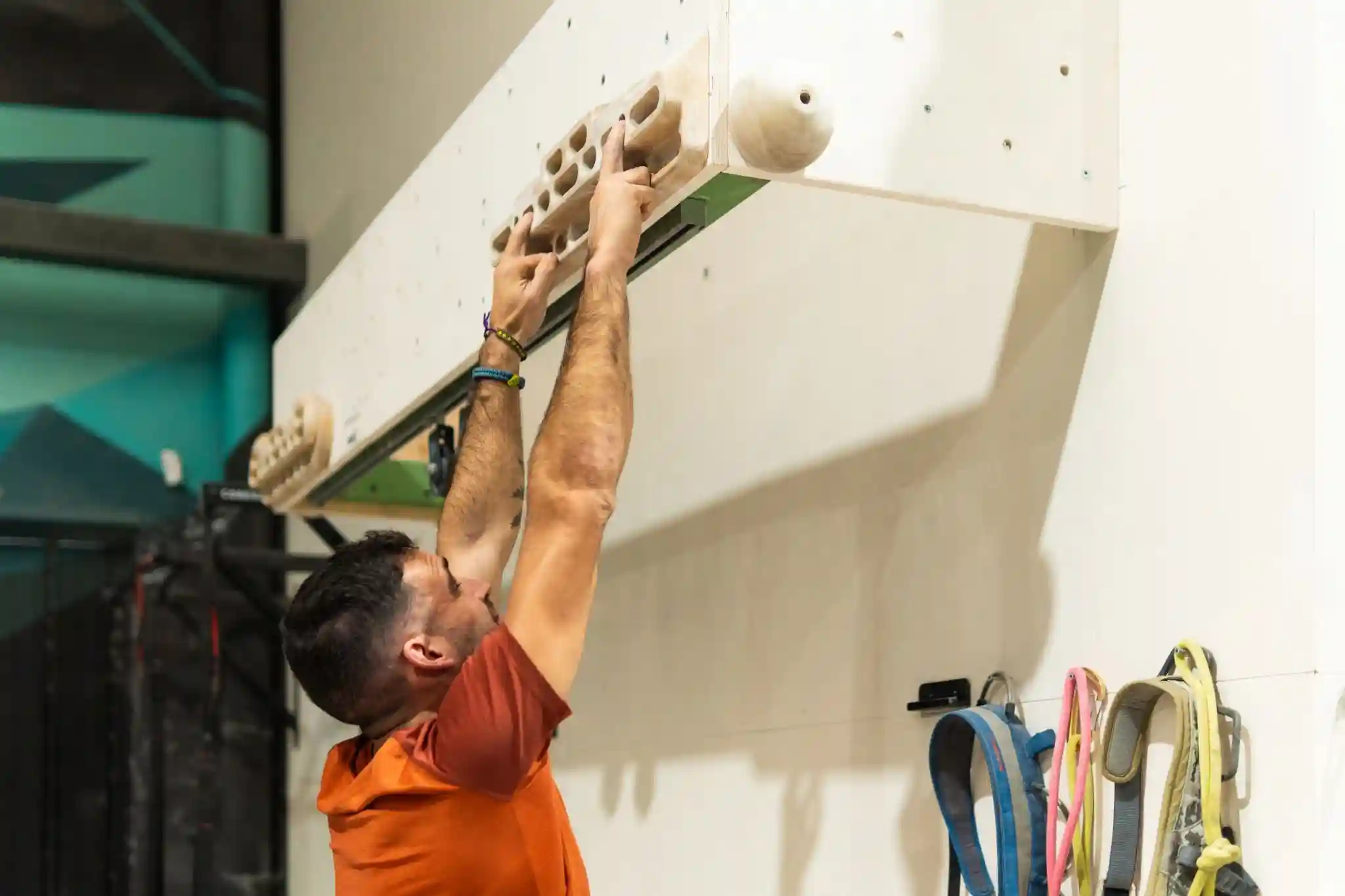
Fitness trends come and go, but some workout methods quietly remain effective because they are simple, accessible, and adaptable for almost every fitness level. One of those underrated approaches is wall resistance training. While many people focus on expensive gym memberships, heavy equipment, and intense workout programs, wall-based resistance exercises prove that effective training can happen using nothing more than body weight and a sturdy wall. In recent years, fitness professionals, physiotherapists, and rehabilitation experts have increasingly recognized the value of wall resistance exercises for strength development, balance improvement, mobility, posture correction, and injury recovery. Social media platforms and online fitness communities have also helped popularize wall workouts because they are beginner-friendly, space-efficient, and highly versatile.
What makes wall resistance training unique is its accessibility. People who feel intimidated by traditional gyms often discover that wall-supported exercises create a safer and more manageable entry point into fitness. At the same time, advanced athletes use wall resistance techniques to improve stability, flexibility, and muscular endurance. The beauty of wall resistance training lies in its adaptability. It can support older adults trying to maintain mobility, office workers struggling with posture issues, beginners building confidence, athletes enhancing performance, and individuals recovering from injuries. The wall acts as both a stabilizer and a resistance tool, helping users control movement while reducing unnecessary strain on joints.
Modern exercise science increasingly emphasizes functional movement, injury prevention, and sustainable fitness habits rather than extreme workout intensity alone. Wall resistance training aligns perfectly with this philosophy because it improves strength, coordination, balance, and body awareness simultaneously.
Understanding Wall Resistance Training
Before discussing who benefits most from it, it is important to understand what wall resistance training actually means. Wall resistance training involves exercises that use a wall for support, stability, leverage, or resistance during movement. Instead of relying entirely on gym machines or free weights, individuals use body weight and wall contact to create muscular tension and controlled movement patterns. These exercises may include wall sits, incline wall push-ups, wall squats, wall planks, calf raises, wall-assisted stretches, and posture-focused stability drills. Some movements focus on strength building, while others improve balance, flexibility, mobility, or rehabilitation.
The wall provides feedback and support that helps individuals maintain proper alignment during exercise. This makes the training style particularly useful for beginners and people recovering from injuries. At the same time, advanced fitness enthusiasts often use wall resistance techniques for endurance challenges, mobility enhancement, and functional conditioning.
Why Wall Resistance Training Is Becoming More Popular
The Shift Toward Functional Fitness
Modern fitness trends increasingly focus on movements that improve daily life rather than only building aesthetic muscle. Functional fitness emphasizes balance, coordination, posture, joint stability, and movement efficiency. Wall resistance training supports these goals naturally because many exercises mimic real-life movement patterns. Instead of isolating muscles through machines alone, wall-supported workouts train the body to move more efficiently as a connected system.
Home Workouts and Accessibility
The global rise of home fitness significantly increased interest in wall resistance training. Many people realized they could stay active without expensive equipment or large workout spaces. A wall is available almost everywhere, making these exercises convenient for apartments, offices, dorm rooms, and travel environments. This accessibility makes wall workouts especially attractive for individuals with busy schedules or limited budgets.
Beginners Benefit Greatly From Wall Resistance Training
Building Confidence Safely
One of the groups that benefits most from wall resistance training is beginners. Many people avoid exercise because traditional gym environments feel intimidating or physically overwhelming. Wall-supported exercises reduce fear by providing stability and control. Beginners often feel safer performing movements while using a wall for balance or support. For example, incline wall push-ups are much less intimidating than floor push-ups. Wall squats also reduce strain compared to free-standing squats. This gradual progression helps beginners build confidence and consistency.
Learning Proper Form
Improper exercise form is one of the biggest reasons people experience discomfort or injuries during workouts. Walls provide alignment feedback that helps beginners understand posture, body positioning, and movement mechanics more effectively. Fitness trainers frequently use walls during coaching because they simplify movement correction and improve body awareness. Developing proper form early creates safer long-term exercise habits.
Older Adults and Seniors
Improving Balance and Stability
Older adults are among the biggest beneficiaries of wall resistance training because balance and mobility naturally decline with age. Falls remain a major health concern for seniors worldwide. Exercises that improve stability, leg strength, and coordination can significantly reduce fall risk. Wall-supported exercises allow older individuals to practice movement safely while maintaining confidence. Wall calf raises, assisted squats, and standing balance drills help strengthen stabilizing muscles without excessive strain.
Supporting Joint-Friendly Exercise
Many seniors experience arthritis, reduced flexibility, or joint sensitivity. High-impact workouts may feel uncomfortable or unsafe. Wall resistance exercises are generally low-impact and easier on joints while still improving muscular endurance and circulation. Healthcare professionals increasingly encourage older adults to engage in gentle resistance training to maintain independence and functional mobility.
Maintaining Everyday Functionality
Simple daily activities such as climbing stairs, standing up from chairs, and carrying groceries depend heavily on leg strength and stability. Wall resistance training helps maintain the functional movement patterns necessary for independent living. This practical benefit makes wall workouts valuable far beyond aesthetics or athletic performance.
Office Workers and Sedentary Individuals
Correcting Poor Posture
Modern lifestyles involve prolonged sitting, computer use, and screen exposure. Unfortunately, these habits contribute to rounded shoulders, neck tension, weak core muscles, and lower back discomfort. Wall resistance training can help correct postural imbalances by strengthening underactive muscles and improving alignment awareness. Wall angels, posture holds, and wall planks are frequently recommended by physiotherapists for posture improvement.
Reducing Muscle Stiffness
Sitting for long periods often causes hip tightness, reduced mobility, and muscular stiffness. Wall-supported stretches and mobility exercises help counteract these effects while improving flexibility and circulation. Even short wall workout sessions during work breaks can reduce physical tension and increase energy levels.
Athletes and Advanced Fitness Enthusiasts
Enhancing Stability and Control
Although wall resistance training is beginner-friendly, athletes also benefit from it significantly. Elite performance depends not only on strength but also on balance, coordination, joint control, and muscular endurance. Wall drills help athletes improve movement precision and body awareness. For example, wall sits enhance lower-body endurance, while wall-assisted mobility exercises improve flexibility and recovery.
Injury Prevention
Sports medicine experts increasingly emphasize injury prevention through stabilization and corrective exercise. Walls provide controlled resistance environments where athletes can strengthen stabilizer muscles safely. This approach is especially valuable for knee stability, ankle control, shoulder mobility, and core activation. Athletes often integrate wall exercises into warm-ups, rehabilitation sessions, and recovery routines.
People Recovering From Injuries
Safe Rehabilitation Support
Wall resistance training is widely used in physical therapy and rehabilitation programs because it allows controlled movement progression. After injuries, many people lose confidence in movement. Walls provide reassurance and support while rebuilding strength gradually. Physical therapists often introduce wall-assisted exercises for knee rehabilitation, shoulder recovery, back pain management, and balance retraining.
Controlled Resistance Reduces Risk
Unlike heavy weights, wall-supported exercises create manageable resistance that can be adjusted according to recovery stage. This controlled environment reduces reinjury risk while improving mobility and muscular activation. Patients recovering from surgeries or musculoskeletal injuries often find wall workouts less intimidating than traditional strength training.
Individuals With Limited Mobility
Adaptive Exercise Opportunities
People with limited mobility or chronic health conditions often struggle finding accessible exercise options. Wall resistance training offers adaptable movements that can be modified based on individual ability levels. Exercises can be performed standing, seated, or with partial support depending on mobility needs.
Encouraging Consistent Movement
Consistency matters more than intensity for long-term health improvement. Because wall exercises are approachable and low-impact, individuals with physical limitations may feel more motivated to stay active regularly. This consistency improves circulation, flexibility, muscular endurance, and mental well-being over time.
Wall Resistance Training for Core Strength
Activating Deep Stabilizing Muscles
Many people associate core training only with crunches or planks, but true core strength involves stabilizing muscles supporting posture and movement. Wall resistance exercises activate these deeper muscles effectively. Wall planks, wall mountain climbers, and posture holds improve spinal stability while reducing unnecessary strain.
Supporting Lower Back Health
Weak core muscles contribute significantly to lower back discomfort. Wall-supported exercises help strengthen abdominal and postural muscles safely, making them especially useful for people recovering from back issues or starting fitness programs.
Mental and Emotional Benefits
Exercise Confidence and Motivation
Fitness intimidation prevents many individuals from exercising consistently. Wall resistance training feels less overwhelming because it removes complicated equipment and extreme workout pressure. This psychological comfort increases motivation and exercise adherence. Many beginners report feeling empowered after mastering simple wall exercises that once seemed challenging.
Stress Reduction Through Movement
Like all physical activity, wall workouts support mental health by encouraging movement, circulation, and endorphin release. Short daily exercise sessions can improve mood, reduce stress, and increase mental clarity. Because wall workouts are convenient, people are more likely to maintain regular routines that support emotional well-being.
Conclusion
Wall resistance training may appear simple, but its benefits are remarkably broad and impactful. From beginners learning basic movement patterns to athletes refining stability and seniors improving balance, this accessible training method supports people across nearly every fitness level and lifestyle. The growing popularity of wall resistance exercises reflects a larger shift in modern fitness toward sustainability, functionality, injury prevention, and long-term wellness. These exercises improve strength, coordination, posture, mobility, and confidence without requiring expensive equipment or intimidating environments.
For beginners, wall workouts provide a safe and approachable introduction to fitness. For older adults, they support balance and independence. For athletes, they enhance stabilization and recovery. For office workers, they help correct posture and reduce stiffness. For rehabilitation patients, they offer controlled movement progression and safer recovery pathways. Ultimately, wall resistance training proves that effective fitness does not always require complicated machines or extreme intensity. Sometimes the simplest tools create the most sustainable results. A sturdy wall, consistent effort, and mindful movement can support stronger muscles, healthier joints, improved confidence, and better overall quality of life.
FAQs
Is wall resistance training effective for building strength?
Yes, wall resistance training can effectively improve muscular strength, endurance, stability, and coordination. While it may not replace heavy weightlifting for advanced muscle growth, it provides functional strength benefits using bodyweight resistance. Consistent wall exercises also support posture, balance, mobility, and safer movement patterns for everyday physical activities.
Can seniors safely perform wall resistance exercises?
Seniors often benefit greatly from wall resistance exercises because they are low-impact and provide added stability. These workouts help improve balance, mobility, joint support, and leg strength while reducing fall risk. Many physical therapists and wellness experts recommend wall-supported movements as part of healthy aging and functional fitness programs.
Are wall workouts suitable for people recovering from injuries?
Yes, wall workouts are commonly used during rehabilitation because they create controlled and supportive movement environments. Physical therapists often recommend wall-assisted exercises for knee injuries, shoulder rehabilitation, posture correction, and mobility recovery. The wall provides stability that helps individuals rebuild strength and confidence gradually while minimizing excessive strain.