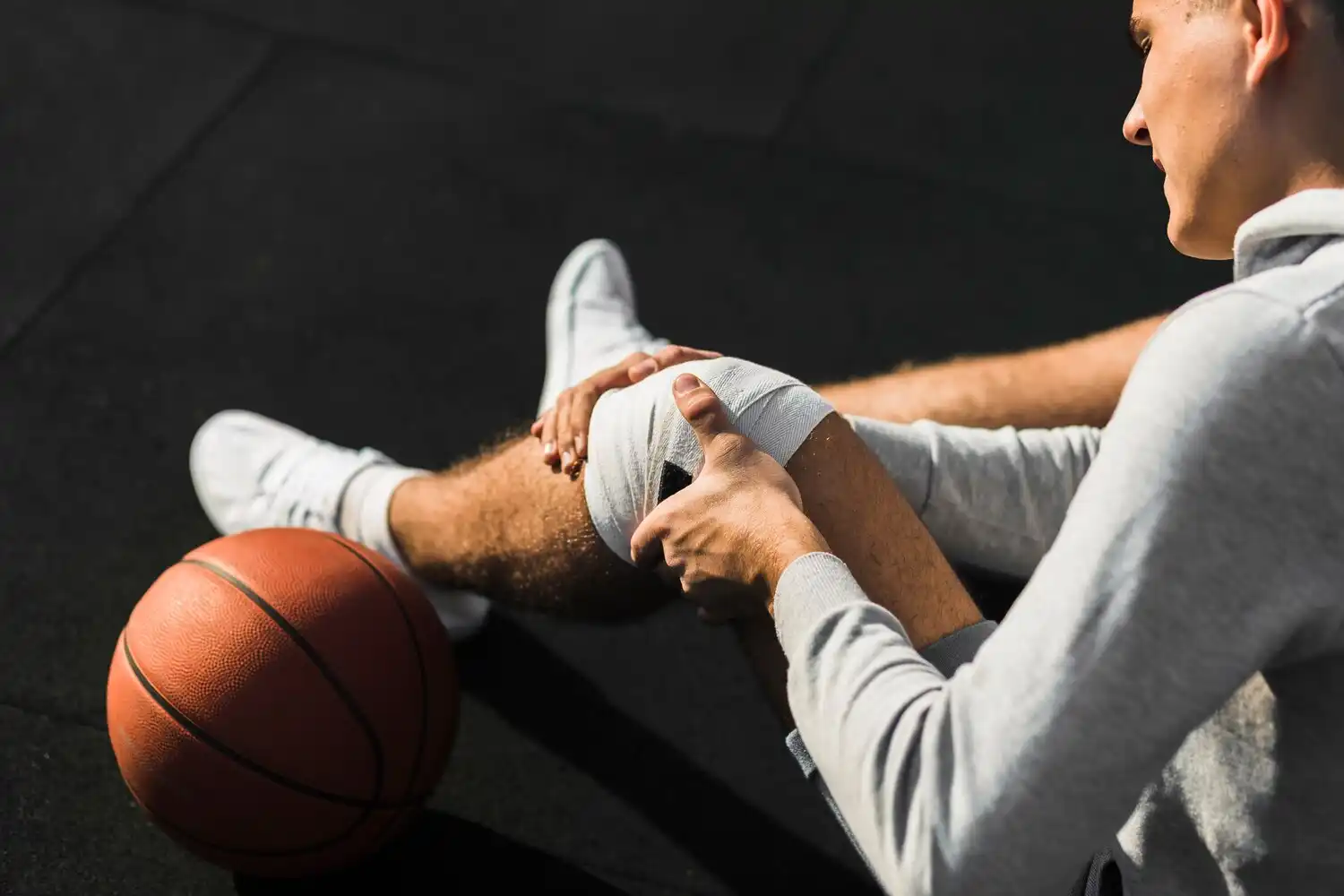
Athletic performance will not only involve harsh training and pushing to extremes but also the ability to recover. The process of recovery is one of the pillars of participation in any sporting activity in terms of injury prevention and long-term success. Professional athlete or a fitness lover, the significance of the recovery may be the difference between the steady progress and the disheartening failures due to overtraining or injuries.
This is a recovery guide that is designed specifically to ensure that the athletes recover quicker, avoid injuries, and maximize their performance. These are the comprehensive and practical strategies that can make sure that your body is always up to the task whenever the next challenge arises.
The reason Recovery is Non-Negotiable in athletes
Whenever you exert yourself in either training or competition, you cause stress on your body muscles, joints, and nervous system. Unless accompanied by sufficient rest, this pressure is essential to development and enhancement. That stress may not be fully recovered and may result in fatigue, overuse trauma, and burnout.
Recovery is a process by which your body replenishes, re-energizes, and restores damaged body parts. It is not merely about the rest, but it is a dynamic process, where it is necessary to focus on several parameters, namely nutrition, sleep, hydration, and particular methods of recovery.
A 2023 article in the Journal of Sports Medicine and Fitness stressed that athletes who engage in recovery have fewer injuries, quicker performance enhancement, and longer athletic careers than those who do not.
1. Healthy Eating: Recovery and Injury Prevention
Any recovery plan is based on nutrition. The body is in a state of repair after strenuous exercise and you need the correct nutrients to restore muscle tissue, decrease inflammation and restore glycogen levels.
Major Recovery Nutritional Plans:
Protein Consumption: Protein is necessary in muscle repair. Goal of 20-40 grams of protein post-exercise to jump-start a recovery process. Excellent sources of high quality such as lean meats, eggs, fish, tofu, and the powdered protein sources of plant nature are excellent.
Carbohydrates to Replace Glycogen: When you are exercising, glycogen is your main source of energy. Carbohydrates are taken after an exercise session to replenish these energy stores. Prefer low carbohydrate foods that are whole grains, fruits, and starchy vegetables.
Anti-Inflammatory Foods: Intake inflammatory reducing foods, which contain antioxidants and omega-3 fatty acids. They are berries, greens, salmon, walnuts, and flaxseeds.
Hydration: Dehydration delays the recovery process and exposes one to injury. When you exercise, replenish the fluids you lose by drinking water or beverages high in electrolytes and especially when you find that you have been sweating a lot.
Example Post-Workout Meal:
Salmon grilled then served with quinoa and steamed broccoli with one glass of coconut water is a good combination of protein, carbohydrates, and hydration.
2. The Sleeping Power behind recovery
The most significant recovery aid to athletes is, perhaps, sleep. When you are in a deep sleep, your body releases growth hormones that would help in repairing the muscles, regenerating tissues and optimizing your immune system. Poor sleep does not only slow down the healing process but also exposes the person to injuries as a result of lack of energy and low concentration.
The best way that Athletes can maximize Sleep:
-
There should be at least 7-9 hours of sleep at night, or more during the time of severe training.
-
Establish a routine of sleeping by going to bed and waking up at the same time each and every day.
-
Limit the hours you spend on the screen before bedtime to ensure that you do not interfere with the normal melatonin levels in the body.
Provide a cool and dark, quiet bedroom
The National Sleep Foundation (2022) found that by sleeping 8 hours or more per night, athletes had reported a reduction in the rate of injury by 30 percent and were also reported to have improved performance.
3. Active Recovery: Move to Heal
Recovery is not necessarily rest although many people think that. Active recovery is a type of exercise that is low in intensity and helps in enhancing blood circulation, lessening muscle fatigue, and speeding up the elimination of waste products such as lactic acid.
Examples of Active Recovery:
-
Stretching or Yoga to stretch and loosen tight muscles.
-
Take a stroll, jog or leisurely ride your bicycle, to exercise your body without any stress.
-
Flotation exercises such as swimming that lessen the impact on the joints and encourage recovery in people.
-
Active recovery is also more useful immediately after hard training or competition, because it will ensure that you are kept in motion and prevents stiffness without straining your body.
4. Stretching and Mobility Work: Injury Prevention Requirements
Flexibility and mobility is another subject that is not given much attention in the recovery process but is important when it comes to avoiding injuries. Stiff muscles and the lack of the full range of motion of the joints may cause the poor form and the overcompensation, making the injuries more likely.
Stretching: When you stretch after a workout, it may seem as though you are postponing relaxation
Tension in muscles and fascia can be improved with the help of such tools as foam rollers or massage guns that can also be used to supplement mobility work. An instance is that to alleviate a sore after a run, you can foam roll your quad and hamstrings to ease the soreness and enhance flexibility.
5. Hot and Cold Therapy to Recovery Faster
Sportsmen have used cold and heat treatments to promote healing and injury prevention since time immemorial. All of them have a certain purpose, and you can use them strategically in accordance with your needs.
Cold Therapy (Ice Baths or Ice Packs): Inflammation is decreased and pain is numbed with this type of therapy and is best used after a bad workout or injury.
Heat Therapy (Heating Pads or Warm Baths): Calms tight muscle fibers and enhances blood flow, which helps in getting rid of general muscle fatigue.
When to Use:
-
Apply cold therapy immediately after the exercises in order to reduce swelling and inflammation.
-
Apply heat on the day after a workout in order to loosen up tight muscles and enhance recovery.
-
Contrast therapy is another therapy involving the alternating of cold and hot with the aim of stimulating circulation and shortening the healing process, becoming increasingly popular.
6. Tools and Techniques of Recovery
Recovery tools and techniques have been transformed in the modern world to make it more athlete-friendly. Wearable devices and new-level treatments can make your recovery process even more serious.
Popular Recovery Tools:
-
Compression Gear: Enhances the circulation of blood and eliminates muscle swelling.
-
Massage Guns: This is a targeted muscle massager that relieves tension.
-
Wearables: The recovery metrics include heart rate variability (HRV), sleep quality and strain levels and are tracked using wearables, such as WHOOP or Garmin.
The Higher Recovery Methods:
-
Cryotherapy: This is whole body cryotherapy that subjects the body to very low temperatures to eliminate inflammation and accelerate healing.
-
Percussive Therapy: The Theragun devices are used as an alternative to enhance healing and improve muscle penetration.
-
NormaTec Compression Boots: It is an air pressure massage for the legs supposed to be used by athletes after strenuous lower body exercises.
7. Mental Recovery: The Forgotten Consideration
The equation of physical recovery is not all. It is also vital to recover mentally, since stress and burnout may slow down physical performance. Mindfulness and relaxation techniques are the things that can be included in your routine and help to recover both mentally and physically.
Mindfulness Meditation to cope with Recovery:
-
Learn to meditate or breathe deeply in order to relax and concentrate better.
-
Take time to be outdoors to refresh your mind.
-
Journals might assist in taking a look back at your progress and establishing clear objectives to follow in the future.
Final Thoughts
Recovery is not only about recovering after a rigorous workout, but more about developing resilience, avoiding injuries, and making sure the sportsperson is successful in the long run. The athletes can maximize their performance and ensure a certain level of consistency in training by focusing on healthy eating habits, sleep hygiene, active recovery, and high-tech recovery gear.
It is important to remember that recovery is not a form of weakness, it is a very important component of the process that helps you work harder, do better and reach your goals. These are the key recovery strategies that you should use as a habit and you will find the difference in not only the way you feel but also the way you perform.
FAQs
1. What is the duration of time taken to recover after vigorous exercise?
Depending on the intensity, recovery time takes a variety of time; however, most athletes can recover in 24-72 hours provided that they eat well, maintain hydration and rest.
2. Is it possible to skip recovery on light training days?
No. Active recovery and nutrition is necessary even during the light days in order to avoid injuries and maximize on the performance.
3. Do massage guns justify their price?
Indeed, recovery devices such as massage guns can improve muscle recovery and minimize soreness when applied properly.