

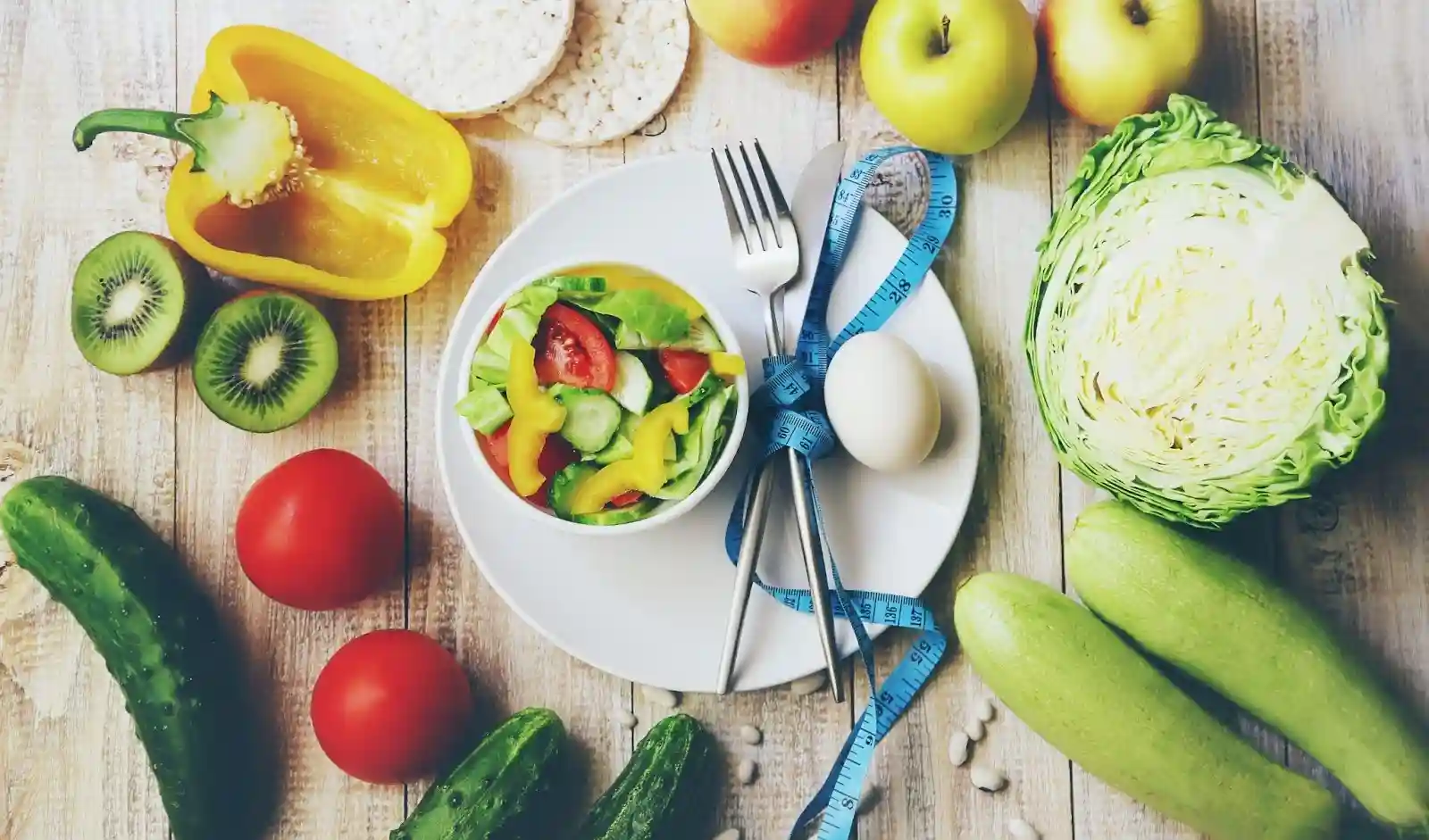
Nutritious food does not need to be made complex. Under the proper attitude, you will be able to make healthy decisions that will be easily integrated into your way of life. This article will discuss basic nutrition information that can assist you to eat better but without compromising on taste and pleasure. As a busy professional, a student or a parent, these tips will enable you to make healthier food decisions and become a healthier person overall.
Learn the Basics of Nutrition
Before getting down to the specific tips, it is necessary to learn the basics of nutrition. Nutrition entails consumption of food against the dietary requirements of the body. It is important to pay attention to macro and micronutrients:
-
Macronutrients: These are carbohydrates, proteins, and fats, which supply the body with energy and promote bodily activity.
-
Micronutrients: Micronutrients are mined constituents in the form of vitamins and minerals that are essential in a number of biochemical activities in the body.
With a background knowledge about what your body requires, you are able to make a better food decision.
1. Whole Foods
One of the most simple things to keep in mind in nutrition is to focus on whole foods as opposed to processed foods. Whole foods are foods that are less processed and those that contain no artificial food additives. This includes:
-
Fruits and Vegetables: The colors should be varied in order to have a wide variety of nutrients.
-
Whole Grains: Refined grains with brown rice, quinoa, oats, and whole grain bread.
-
Lean Proteins: Include nuts, beans, legumes, and fish products such as chicken.
The way of eating helps to naturally decrease the consumption of added sugar, harmful fats, and sodium.
2. Practice Portion Control
It is important to have knowledge on how much should be consumed to have a healthy diet. Healthy foods will also lead to weight gain when taken in large amounts. The following are the basic nutrition tips on portion control:
-
Eat Smaller Plates: This is the trick that you can use to make your brain believe that you are eating more food.
-
Measure Serving Sizes: Learn the normal serving sizes to understand more the amount of food you are supposed to eat.
-
Listening to Your Body: Be sensitive to hunger and fullness. Eat till you are full, not overweight.
3. Stay Hydrated
Water has been considered an important aspect of health, and has been neglected in nutrition discussions. Remaining hydrated may assist in digestion, enhance skin condition and general body functions. The following are some of the tips that will help you to drink enough water:
-
Bring a Water Bottle: Have a reusable water bottle with you all day long.
-
Add Fruits, Herbs or Cucumber: To add flavor to your water, place fruits, herbs or cucumber in your water.
-
Set Reminders: This involves using your phone to remind you to take water on a regular basis.
At least 8 cups (64 ounces) of water have to be taken each day, and it should depend on the activity level and the climate.
4. Plan Your Meals
Meal planning is one of the things that can make your week go easier and enable you to make better choices. With a little time planning what to eat, you will also be able to have healthy choices. Here are some tips:
-
Make a weekly menu: Prepare a menu of what you are going to eat all the week: breakfast, lunch, dinner, snacks.
-
Plan Ahead: There are several ways to prepare meals in advance to make them quick and easy: chopping vegetables, cooking grains, pre-portioning snacks, etc.
Discover new recipes to make your meals interesting to enjoy.
5. Snack Wisely
Snacking can contribute to a balanced diet provided that you make the correct choice. As a healthy snack, instead of getting chips or candy, you can consider the following:
-
Fruits and Nuts: a snack of apples with a bunch of almonds is a good combination.
-
Yogurt and Berries: You can eat Greek yogurt with fresh berries as it is tasty and healthy.
-
Vegetables and Hummus: Prepared vegetables with notable hummus are the sources of fiber and protein.
You always have the option to keep healthy snacks at hand so that you are not tempted to consume less healthy snacks.
6. Read Nutrition Labels
Learning to read nutrition labels can help you to make more informed food choices. Here are some of the things to look on labels:
-
Serving Size: Make note of the size of serving to know the number of servings the package contains.
-
Calories: Pay attention to the amount of calories, particularly when you are trying to control your weight.
-
Nutrients: Choose foods rich in fiber, vitamins, and minerals and which are low in added sugar and saturated fats.
You can make better choices about the foods you eat by becoming a smart label reader.
7. Incorporate Healthy fats
Healthy fats play a critical role in the functioning of your body. Include the sources of fat that are healthy in your diet:
-
Avocados: Avocados are nutritious, as they are abundant in monounsaturated fats and fiber and can be used in a meal.
-
Olive oil: Extra virgin olive oil can be used to cook or used as a salad dressing.
-
Fatty Fish: Salmon, Mackerel and Sardines are also great sources of the omega-3 fatty acids.
These are fats that are useful in enhancing the health of the heart and fueling the brain.
8. Restrict Intake of Added Sugars
Added sugars may cause other health complications, such as obesity and diabetes. The following are some easy nutrition tips that will allow you to minimize the amount of sugar you have to consume:
-
Select Unsweetened Drinks: Drink water, herbal tea or black coffee rather than sugary beverages.
-
Read the Labels: Check the packaged food, e.g. sauces, dressings, snacks, etc. to determine whether it contains hidden sugars.
-
Naturally Satisfy sweet cravings: When you are craving something sweet, instead of candy or pastries grab fruit.
You can be conscious of the amount of sugar you take in and thus enhance your health.
9. Make Healthy Swaps
Healthy swaps are the little things that you can make in the diet that can make a big difference. Here are some examples:
-
Substitute with White Rice: Quinoa or brown rice is more nutritionally beneficial and offers more fiber.
-
White the Bread: Use whole grain or sprouted bread instead of white bread as it is healthier.
-
As an alternative to Sugary Cereals: Oatmeal with fruits and nuts may be a healthy breakfast.
Such exchanges would assist you in eating more nutrients, but still, eat your favorite foods.
10. Eat Mindful
Mindful eating deals with mindfulness when it comes to your food (tasting every bite). It will assist you to better enjoy what you eat, as well as stopping overeating. Below are few suggestions on mindful eating:
-
Eliminate Distractions: Distracters cause you to focus on other things, turn off the TV and put your phone aside when eating.
-
Eat Bread: Swallowing should be avoided, you should chew your food and savor the tastes.
-
Reflect on Your Meal: Reflect on the origin of your food and the amount of work that went into the creation of your food.
Your eating experience can be improved by concentrating on what you eat, which then allows you to make healthier choices.
11. Get Support of Other People
Eating healthy may be more fun when you have a support system. Here’s how to find support:
-
Create a Community: Find local or online communities who are concerned with healthy eating and nutrition.
-
Dine with Friends or Family: Have fun with healthy eating by eating out and cooking with friends and family.
-
Get Medical Advice: You should consider enlisting professional advice from a registered dietitian to help you make customized recommendations.
It is also advisable to surround yourself with similar people to keep you motivated throughout your nutrition journey.
12. Goal Realisticness
It is important to have realistic and attainable goals when keeping to a healthy diet. The thing is not to achieve perfection, but to undergo gradual changes. The following are some of the tips in setting effective goals:
-
Baby Steps: It is better to make one or two changes at a time (all at once), making a change like adding more vegetables to your daily meals or drinking more water.
-
Monitor Your Progress: Have a food journal to document the food you eat and congratulate yourself on baby steps.
-
Be Flexible: It is all right to have a luxurious meal once in a while. Stability is a prerequisite to success in the long term.
13. Educate Yourself
Knowledge is power as far as nutrition is concerned. Get time to learn about healthy eating. The following are some of the resources to be considered:
-
Books: Read books that are evidence based about nutrition.
-
Online Courses: Sign up in online courses or webinars on nutrition and healthy eating.
-
Podcasts and Blogs: Subscribe to podcasts and blogs of nutrition experts and listen to those who speak about food on their social media.
The more you educate the better prepared you will be to make healthy choices.
14. Savor Your Food
Last, but not the least, you need to enjoy your food. Eating healthy is not supposed to be a burden. The following are some of the ways to enjoy meals:
-
Go Experimental with Flavours: Make your dishes taste good without additional calories using herbs and spices.
-
Taste New Cuisines: Taste various cuisines, which place the focus on new ingredients and healthy cooking techniques.
-
Cook at Home: Cooking at home means that you can control ingredients and also the amount of food you eat, thus making it easier to eat right.
Conclusion
The secret of eating well lies in enjoying your food, and so you are much more likely to eat well in the long run. These basic nutrition tips will help you make a balanced diet that will help fulfill your health and wellness objectives by making them part of your everyday routine. It is important to keep in mind that some little increments may produce big outcomes in the long run. Go through the process, and be happy feeding your body with nutritious foods. It is worth the effort to have your health!
