

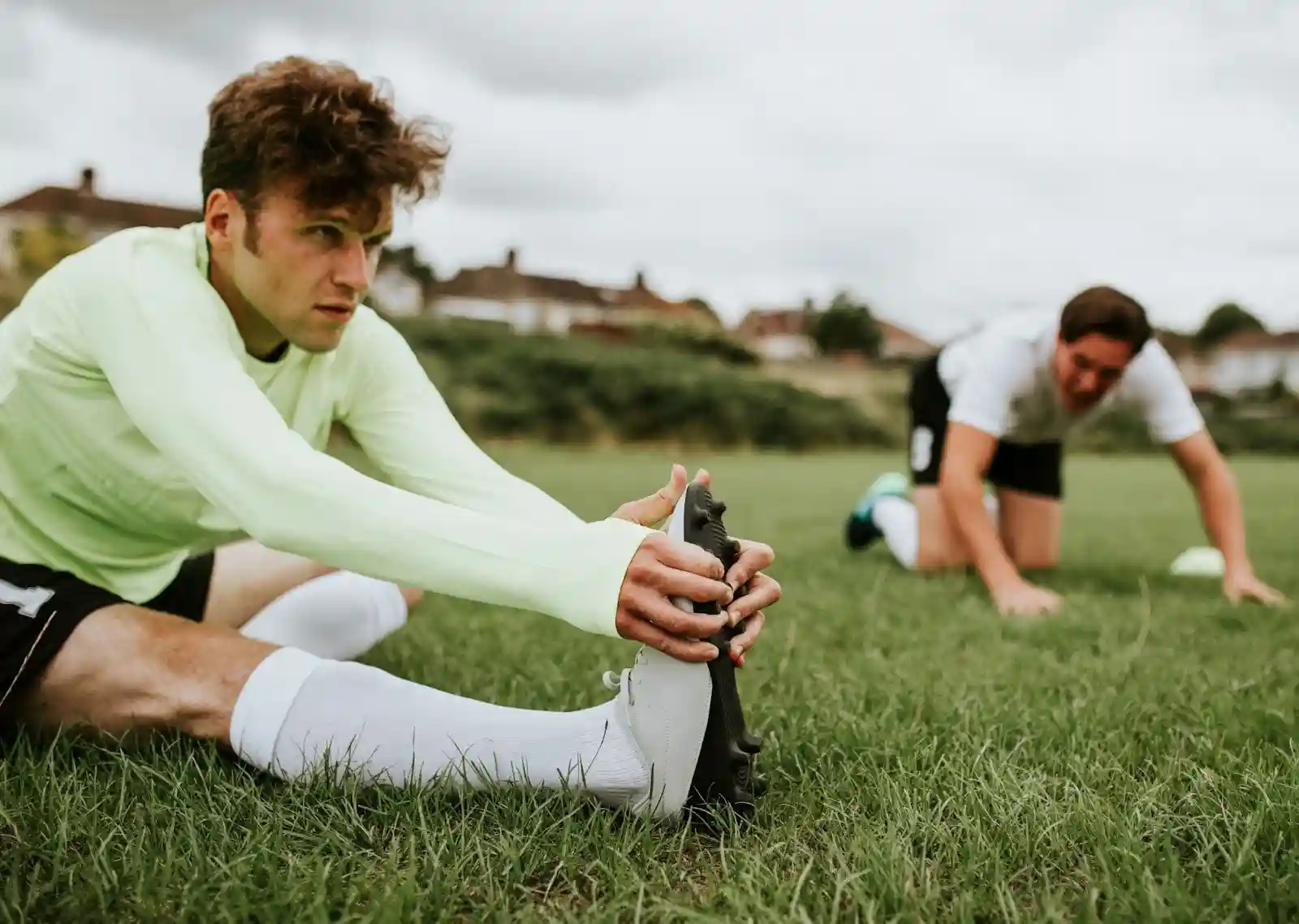
Athletes dedicate their hearts and souls into training, stretching their bodies to the maximum to achieve excellence. Nevertheless, recovery is frequently taken as one of the most important parts of athletic performance. The appropriate tips of recovery of athletes can contribute greatly to the performance, prevention of injuries and being prepared to train effectively. This article will discuss the need to recover and the most important tips that should be known by athletes so that they can apply these tips during their training programs.
Realizing the Significance of Recovery
Recovery is not as simple as resting, it is a critical procedure that enables the body to recover and acclimatise following vigorous physical activity. As the National Academy of Sports Medicine claims, proper recovery can result in better performance, decreased risk of injuries and increased well-being. This is particularly important to the athletes who are subjected to high intensity training where muscles and joints are highly needed.
The Science Behind Recovery
Training results in microscopic damage of muscle fibers in athletes. Recovery enables such fibers to renew and develop more power, termed as muscle hypertrophy. Also, the recovery process will restore the glycogen stores, replenish the hydration, and balance the hormones, all of which are the keys to the high performance.
Indispensable Recovery Advice to an Athlete
1. Prioritize Sleep
One of the strongest tools of recovery that can be used by athletes is sleep. In deep sleep, the body is engaged in processes that are necessary to repair the body such as developing muscle and managing the hormones. The Journal of Clinical sleep medicine had published a study which reported that athletes who had extended their sleep periods had improved performance and quick reaction time, in addition to being less fatigued. One of the best recovery tips that athletes would engage in is prioritizing sleep.
Tips for Better Sleep:
-
Routine: You should wake up and go to bed at a similar time each and every day in order to control your internal clock.
-
Provide a conducive sleeping environment: Make your bedroom dark, quiet and cold to ensure a good sleeping environment.
-
Less screen time: Minimise screen time no less than an hour before sleeping because blue light may disrupt the production of melatonin.
2. Hydration is Key
Hydration is important in the process of recovery. Dehydration results may be fatigue, poor performance, and injury. The goal of the athletes is to replace the lost fluids in the process of exercise so that they continue to perform optimally and recover. One of the tips that ought to be included in the list of recovery tips applied to athletes is the incorporation of hydration strategies.
Hydration Strategies:
-
Consume water continuously: The amount of water needed depends on the level of activity, but should be at least half of your body weight in ounces of water per day.
-
Check urine color: The urine should be light yellow which means that one is well hydrated and on the other hand, dark yellow means one is dehydrated.
-
Take electrolyte supplements: With severe workouts, one should resort to the use of electrolyte supplements that restore lost minerals.
3. Nutrition Matters
The food you consume also has a great impact on the quality of your body recovery. Proper nutrition provided in terms of both macronutrients and micronutrients can promote performance and increase recovery. One of the tips in efficient recovery is nutrition among athletes.
Key Nutrients:
-
Protein: Necessary in repair and growth of muscles. Eat within half an hour after exercising a high-protein snack or a meal. Examples of good sources are lean meats, dairy, legumes and protein shakes.
-
Carbohydrates: Restock complex carbohydrates like whole grains, fruits and vegetables. These ought to be included in your after work out meal to help in recovering energy.
-
Healthy fats: Add avocados, nuts and olive oil to supplement the overall health and hormone balance.
4. Active Recovery
Active recovery is a form of exercise that is low intensity and helps a person to recover without causing any extra strain to the body. This may involve activity such as walking, yoga or swimming which enhances flow of blood and helps in eliminating metabolic wastes in the muscles. Active recovery is also among the important recovery tips that an athlete should consider.
Benefits of Active Recovery:
-
Eases muscle pains: The light exercise can be used to relieve pain and stiffness following strenuous exercises.
-
Enhances circulation: Better blood circulation aids in delivery of nutrients and elimination of wastes which makes the recovery faster.
-
Rest the mind: A good break after intense training can be a breath of fresh air and this helps in avoiding burnout.
5. Include Stretching and Mobility Work
Joint health and injury prevention depend on flexibility and mobility. The range of motion and muscle tightness can be improved with the help of regular stretching exercises and mobility exercises. This use is consistent with the recovery tips to be adopted by the athlete in order to enhance performance.
Stretching Techniques:
-
Dynamic stretching: This means that you should incorporate dynamic stretches during your warm-up sessions as an exercise to bring your muscles into activity.
-
Static stretching: Static stretches should be included after exercises with the aim of stretching and increasing muscle flexibility.
-
Foam rolling: Foam rolling is done using a foam roller to enhance tight spots and relieve tension in the muscles. This is a myofascial release method that may result in better performance and recovery.
Concluding on Recovery tips of Athletes
Rest is a component of a training program of a sportsperson. Athletes can make a substantial improvement to the process of recovery by focusing on sleep, hydration, nutrition, active recovery, and flexibility work. It is important to keep in mind that one-size-fits-all will never be an effective recovery method, you should listen to your body and tailor your recovery methods to your own needs.
These critical measures to recovery that should be implemented among athletes can result in the ability to perform better, lower the chances of injury, and have an enjoyable experience in sports. Recovery will not only make you successful in your training routine, but it will get you well on the path to reaching your sports targets.
FAQs
1. What is the ideal amount of rest required by athletes?
To aid in the recovery and performance of most athletes, they require 7 to 9 hours of sleep every night. Sleep helps in repairing muscles and good health.
2. What should be the preferred post-workout snacks during recovery?
The best snacks to use after an exercise are those that contain a mixture of protein and carbohydrates, like a protein shake that has a banana or a Greek yogurt that has berries.
3. What are the ways of knowing whether I am dehydrated or not?
The dehydration symptoms include fatigue, dark yellow colored urine, and dry mouth. Keep an eye on your hydration, particularly when you are performing hard exercises.
