

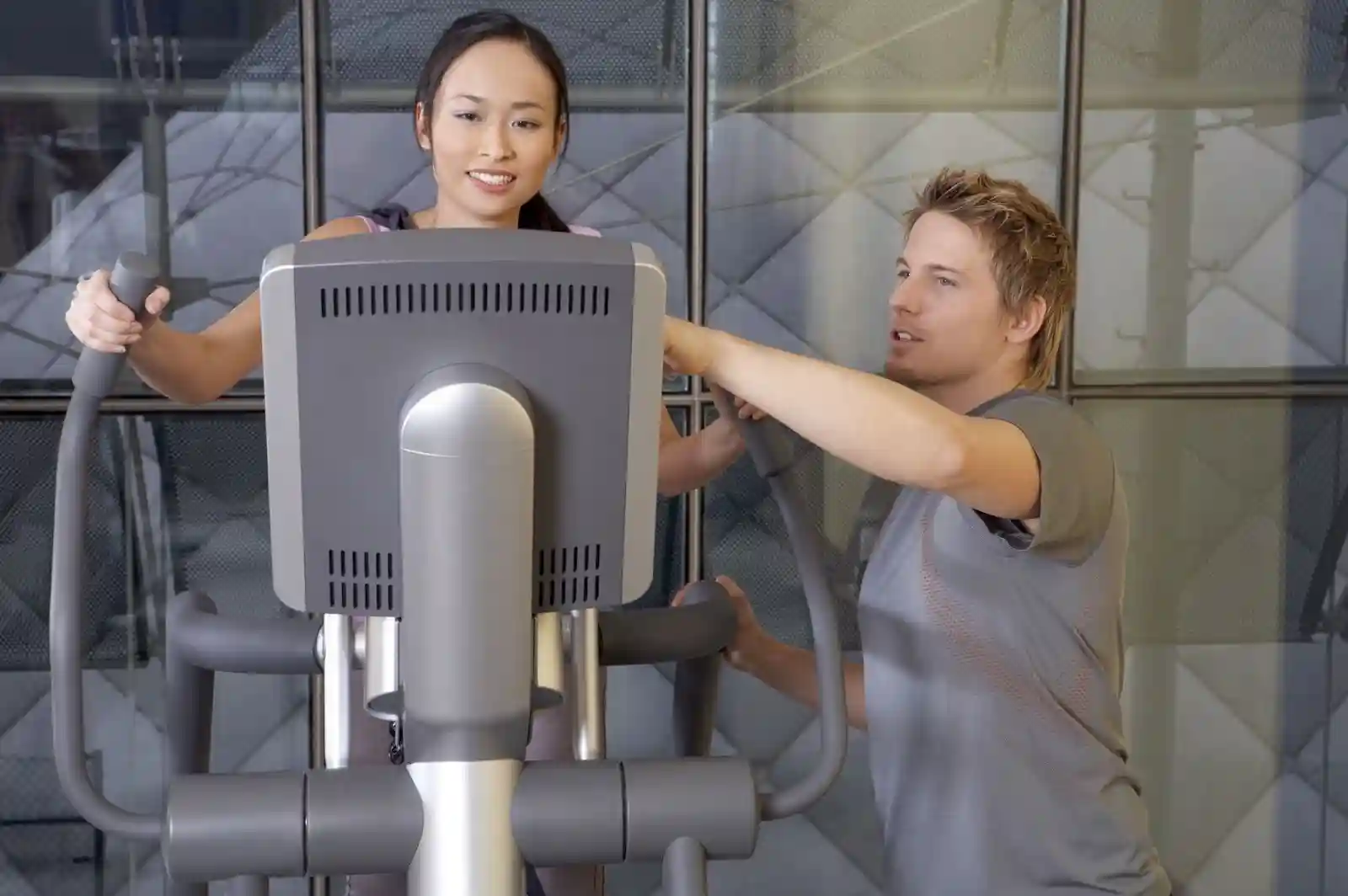
Training smart a few years back involved more or less subscribing to an average program and recording your lifts in a notebook. Fitness technology workouts now can feel like a coach, a fitness journal and a recovery expert were in your pocket. The most exciting thing about it: you do not even have to be a high-performance athlete to take the advantage. Your training, whether you are aware of it or not, is an ongoing process that can be enhanced by the latest technology, which can be of great benefit to you.
What is Fitness Technology?
Fitness technology can make your exercise more precise, safer, and enjoyable, but as long as you’re aware of it, it can make your routine turn into a stressful dashboard of data. That includes:
-
Smart accessories (smartwatches, rings, chest straps).
-
Connected tracking strength and cardio machines.
-
Programming, coaching, form analysis apps.
-
Sleep, readiness or workload monitoring recovery tools.
What fitness technology is not doing: training basics. It will not cure the unreliable sleep, inconsistent programming or bad technique. However, it can highlight the precise habit that is stalling you out.
1) More effective training intensity: end the guessing and begin calibration
One of the most notable issues with workouts is the drift of intensity:
-
Novices overtrain (burnout, injuries, etc.) too frequently.
-
Middle lifters train too changeable (varying)
-
Grey-zone everything (never faster, always tired) cardio athletes.
Here heart-rate tracking, pace tracking, and power measurements come in handy.
Cardio:
Train with (or without) zones like a pro (without making it too complicated). Assuming that your device calculates heart-rate zones, you can design sessions with a greater sense of intent:
-
Easy days (easy conversation) really easy.
-
Hard days really hard (periods, steady state work)
-
Progress will be measurable (progressing equally slowly at lower rate of heart) over time.
Featured snippet tip: Fitness apps improve your cardio training by allowing you to train at the right intensity levels (easy, moderate, hard) to avoid overtraining, and provide better feedback on your training progress.
Strength trainings:
Train at the right intensity zones (easy, moderate, hard) without over-exerting yourself all the time, track your progress.
-
You squat 3 times 6 times with 2 reps LRF.
-
The following week, in case it feels as easy, increase the weight or one rep.
That is progressive overload with guardrails.
2) More predictable improvement: the silent improvement of clean logging
The least hyped yet of a tech improvement is automatic, consistent logging: When your workouts are recorded (sets, reps, load, rest times) patterns are seen:
-
You can never fail when you can rest less than 90 seconds.
-
Your deadlift will fail when you go to sleep that is lower than usual.
-
You will have the best workouts when you exercise in the morning.
Fact-life example: the plateau you did not see. One of the clients came in saying that his bench press had just stopped working. Their log indicated otherwise: the last three weeks volume had simply gone down due to the shortening of sessions by meetings. We did not require a new program, we required organization. We have a time-capped plan (45 minutes, fixed supersets), and things started to get moving again.That is what the state of the art fitness technology can do: make you feel like you are stuck and turn it into a report.
3) Smart recovery by regulating Sleep and Heart trends
This is where the modern fitness technology can really be game-changing, the only thing is that it should be approached as a guide, not an opinion.Many wearables estimate:
-
Time and regularity of sleep.
-
Resting heart rate trends
-
Trends in the heart rate variability (HRV) (dependence on the device accuracy)
How to move recovery scores in the correct direction
To avoid having a low score in recovery invalidate your exercise, turn the dial down:
-
Retain the session, decrease intensity (e.g. 1-2 less hard sets)
-
Stop heavy work and start technique work.
-
Substitute sprints with a low intensity Zone 2 workout.
-
Include more time of warming up and movement.
Featured snippet tip: Fitness Technology Enhances recovery through tracking of sleep and trends (such as resting heart rate) to adjust the intensity of workouts before fatigability turns into injury.
4) Form and technique feedback: your camera is a coach
Recordings in a simple phone can assist you:
-
Path of the check bar in squats and deadlifts.
-
Spot depth consistency
-
Increase break down of forms at intensifying effort.
-
Compare method of technique change over a week.
Other apps include overlaying, rep counts or a simple flag of form. Miracles are not to be expected–but even low-level video analysis can fix the motion quality in a minute.
Quick technique workflow
-
Film one uppermost set in the side (and sometimes front/45)
-
Search on a single correction (brace, depth, tempo, lockout)
-
Apply it next set
I would recommend the clip to be saved in 4 weeks.
That is an actual feedback loop that most gym-goers will never establish.
5) Motivation that literally works: streaks, community, and micro-goals
Motivation is management, not magic. Fitness technology makes the experience frictionless in little but significant ways:
-
You do not need to make a choice of what to do (program is queued)
-
You get instant feedback (speed, repetitions, regularity)
-
Streaks and milestones (adherence is observable) can be seen.
The ultimate motivation is the evidence that you are the kind of person who trains. That can be proved through tracking. An effective practice I prefer:
-
Monitor weekly sessions done (never perfection)
-
Measure one key variable (steps/day, overall number of sets per week, or total cardio time).
-
That is all the other stuff optional.
6) Personalization: make the data decisions
Fitness technology can be effective when you are using it to find a specific answer:
-
Do I work hard enough to develop? (volume + progressive overload logs)
-
Am I well enough to maintain it? (sleep prominence + direction indicators)
-
Do I feel like my heart rate is getting better (speed/power at the same Heart rate)?
-
What is my weak point? (how I miss classes, low-protein days, irregular bedtime)?
The greatest fault is gathering data and having no idea on how to utilize the data. Select two or three indicators which directly serve your purpose.
Mistakes to avoid with fitness tech
Obsessing over the right numbers
Sleep ratios and calorie counts are noisy. Don’t have one-day peaks.
Too much reliance on wrist heart rate intervals
Wrist sensors may lag on fast changes in intensity. In case intervals are your priority, a chest strap can be expected to provide more reliable readings.
Tech replacement with Coaching fundamentals
No wearable can replace:
-
sound programming
-
good technique
-
sufficient protein and calories.
-
consistent sleep
Summary: why fitness tech workouts are best used to support not replace
Fitness tech workouts can take training to a higher purpose. They aid you in turning up intensity, identifying plateaus sooner, recuperating more intelligently and remaining constant to a point of actually achieving outcomes. The point is not to go data-crazed just to keep a closer eye on what you do, it is to make your training easier to sustain and fit around your body as well as your time.
Conclusions and recommendations
Unless you are starting today, make it simple:
-
Select one device or application that you will use on a daily basis.
-
Track workouts and main focus on sleep consistency in four weeks and then add more measures.
-
Tweak the data with minor changes (add some rest, a bit less intensity when one has a bad sleep, a bit more weekly volume when one is well-rested).
-
Evaluate after every month- your requirements vary with the increase in fitness.
